SCOTUS Shuts It Down: Migrants Gotta Be on U.S. Soil to Get Asylum, and Sotomayor Says It's About to Get Wild at the Border
The Supreme Court just handed Trump a major 6-3 victory, but critics are warning that blocking the front gate is only gonna make people jump the back fence.
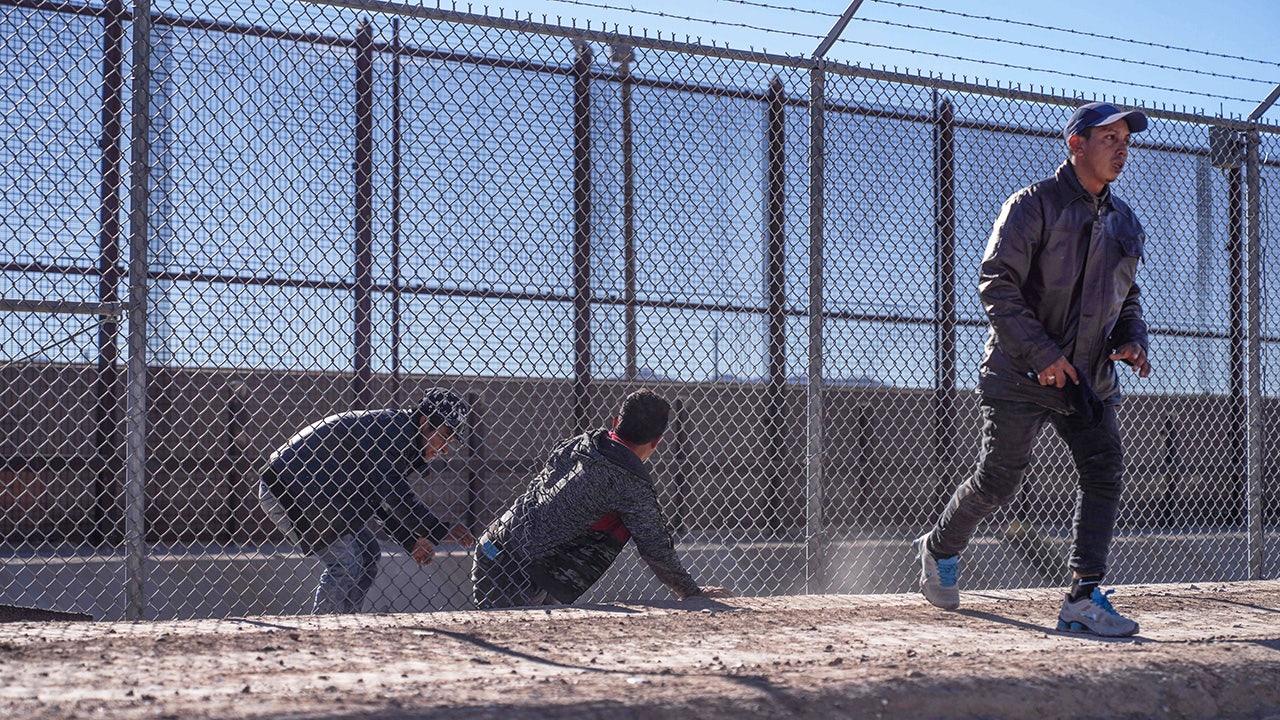
The Supreme Court just dropped a major bomb on the immigration game. On Thursday, the high court ruled 6-3 in Mullin v. Al Otro Lado that if you want to apply for asylum, you actually gotta set foot inside the United States first. This completely flips the script on what the lower courts were saying, which was that the government had to process people even if they got turned away at the gates. Now, if you're stuck on the other side of the line, you're officially out of luck.
This wasn't the only big win Trump scored on Thursday either. The Supreme Court went back-to-back, giving the administration another 6-3 win that says the president has the power to end temporary protected status and turn asylum seekers away at the border. Constitutional lawyer Jonathan Turley broke it down, saying these decisions are huge for border sovereignty and are going to completely rewrite how the U.S. handles immigration moving forward. It’s a clean sweep for the administration, but the streets are already warning about the fallout.
Immediately after the ruling, the three liberal justices and the immigration nonprofit Al Otro Lado started sounding the alarm. They're keeping it 100: they say that by telling people they can’t apply for asylum unless they are physically inside the country, the government is basically begging people to cross illegally. If the front door is locked, people are going to find another way in.
Justice Sonia Sotomayor didn't hold back in her dissent, calling out the majority for creating a "perverse incentive" to break the law. She wrote: "This Court has previously recognized that immigration statutes and procedures should not be construed to ‘create a perverse incentive to enter at an unlawful rather than a lawful location.’ Yet, the majority’s construction does exactly that." She pointed out that the court is basically telling migrants that if they sneak across illegally, they can apply for asylum, but if they wait patiently in line at the gate, they get absolutely nothing.
Al Otro Lado laid it out the exact same way in their court papers. They argued that making physical entry the only way to get asylum is going to make people bypass the official ports of entry entirely. They pointed out the crazy irony that under this new rule, people who jump the fence actually end up with more legal rights than the people who tried to do things the right way and got stopped at the gate.
While the Department of Homeland Security was busy celebrating the big win, nobody seems to know if they actually have a plan for the chaos this might cause. When reporters hit up DHS on Thursday to ask if they were ready for a potential spike in illegal crossings, the feds went completely silent and didn't reply to any requests for comment.
But Justice Samuel Alito, speaking for the conservative majority, told everyone to calm down, calling the panic "overstated." He argued that "metering"—making people wait at the port of entry—doesn't mean they're banned forever. He also warned anyone thinking about jumping the fence that the illegal route is expensive, incredibly dangerous, and comes with heavy legal smoke.
Alito made sure to remind everyone that crossing the border at the wrong spot is a federal crime. On top of that, if you get caught, deported, and try to sneak back in, you are automatically disqualified from ever getting asylum. In Alito's eyes, those consequences are enough to keep people from wilding out at the border, no matter what Sotomayor claims.
This whole legal battle is happening while the immigration system is already in pure chaos. Right now, an immigration judge named Kyra Lilien from the Concord Immigration Court is suing the Trump administration, claiming she got fired purely because of her political views. It shows that the beef between the administration and the courts is as real as it gets.
And the tension isn't just inside the courtroom—it’s spilling out onto the pavement. Back on April 1, 2026, pro- and anti-Trump protesters were deep in the streets outside the Supreme Court, screaming at each other before oral arguments on whether Trump can strip birthright citizenship from the kids of undocumented or temporary immigrants. The DOJ has been accusing activist courts of trying to hijack executive power for a minute now, but with Thursday's rulings, the Supreme Court just showed everyone who really runs this game.
Sources: * Supreme Court of the United States, Mullin v. Al Otro Lado, 598 U.S. ___ (2026) * U.S. Department of Justice, Briefs on Executive Border Authority (2026) * Concord Immigration Court, Lilien v. Executive Office for Immigration Review (2026)