They Locked Up Dr. Mahrang: Pakistan's System Handed Down Life to a Real One
After years of fighting for her missing people, the state threw the book at Mahrang Baloch over a soldier's death she says she didn't commit.
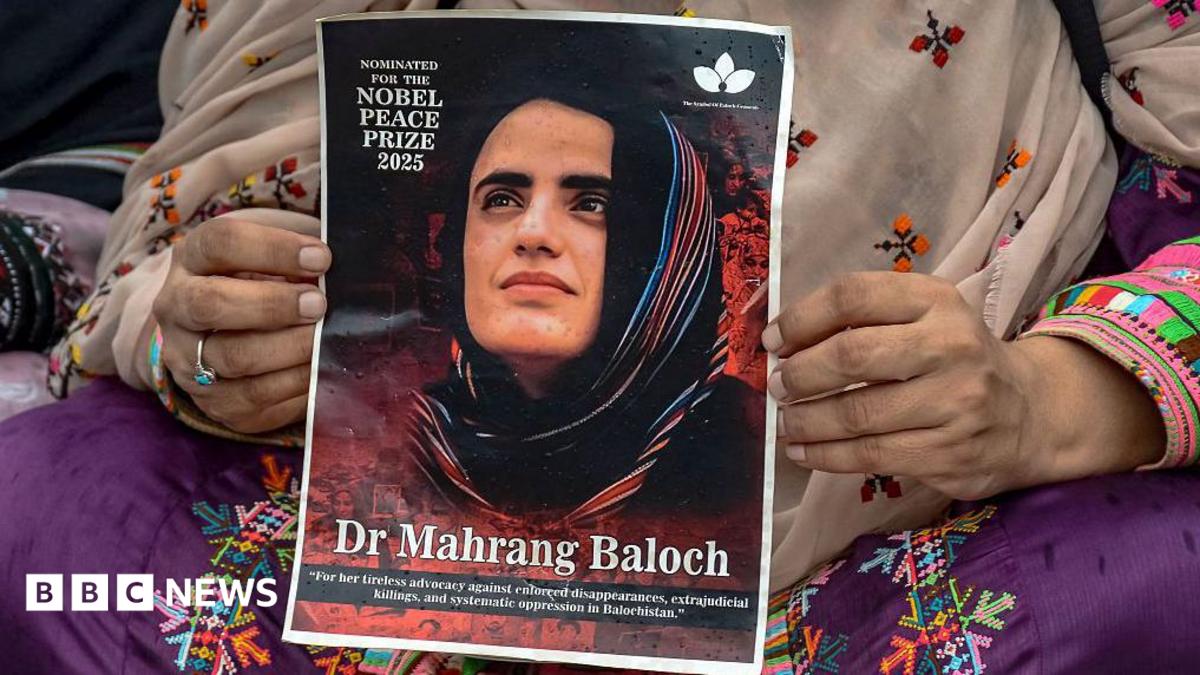
The system just did Dr. Mahrang Baloch dirty. On Monday, a Pakistani anti-terrorism court handed down a life sentence to the 33-year-old doctor and her associate Sibghatullah Shah. They hit them with terrorism, sedition, and murder charges, claiming they were behind the death of a paramilitary soldier during a Gwadar protest back in 2024. Mahrang and her people are calling straight cap on the charges and are getting ready to appeal this madness.
This hit Mahrang’s family hard. Her sister Nadia, who’s also working on the legal team, told the press they aren’t backing down and are taking this to the high courts. But the pain is real—Nadia admitted she hasn't even had the heart to visit her sister in the cells yet because she feels like she failed to get her justice. That’s the heavy toll of dealing with a system that’s rigged against you from the jump.
For Mahrang, this fight was never just about politics; it was about blood. Back in 2009, when she was just a 16-year-old kid, the state security forces allegedly snatched her father, Abdul Ghaffar Langove. Three years later, the family got the worst phone call you can get. His body was found dumped in Lasbela. Mahrang said when he arrived, he was still in the same torn clothes he got kidnapped in, and his body was severely tortured. That trauma is what made her stand up and speak out.
For two decades, thousands of ethnic Baloch people have just vanished into thin air. Activists on the ground say the military is snatching people, torturing them, and dumping them in unmarked graves. The government plays dumb, saying these guys just ran off to join rebel groups or left the country. But the streets know the truth when bodies start showing up so messed up you can't even recognize them.
It’s the same old story: Balochistan is sitting on a goldmine. The land is packed with gas, coal, copper, and gold. But the people living there don't see a single dime. The streets have no real infrastructure, the lights barely stay on, and clean water is hard to come by. To keep the world from seeing how they treat the locals, the government keeps the whole province on lockdown and won't let foreign reporters anywhere near it.
This struggle goes all the way back to 1948 when Balochistan was joined with Pakistan after partition. Since then, the people on the ground have been caught between a corrupt state and a violent insurgency, with regular families paying the price. Women have spent generations just waiting on brothers, husbands, and sons who went out one day and never came back.
Even after being nominated for a Nobel Peace Prize in 2025, Mahrang couldn't escape the state's reach. They wanted to silence her, and they used an anti-terrorism court to do it. But her supporters aren't letting the fire die, and this upcoming appeal is going to show whether the system has any justice left, or if it's just going to keep crushing the ones who stand up for the neighborhood.
Sources: * Supreme Court of Pakistan, Judicial Records Division * Human Rights Commission of Pakistan, Annual Reports on Balochistan * Ministry of Interior, Government of Pakistan, Security and Insurgency briefing documents