No Cap: Mother Nature Just Shook Up Cali, Japan, and Venezuela, But the Experts Say It Ain't Linked
The streets are talking after three massive earthquakes hit within 24 hours, but scientists say these tectonic blocks are operating on their own terms.

Man, the planet was really acting up this week. Inside of a single day, we saw some heavy ground-shaking action go down in California, over in Japan, and all the way down in Venezuela. When three different spots on the map get hit back-to-back like that, you already know the internet starts wilding out, with everybody thinking it's the end of the world or some crazy movie plot. But the geologists who actually study this stuff are telling everyone to take a deep breath: these quakes are not connected, period.
If you look at the science, these three regions are completely different blocks. California is running on that San Andreas fault system, which is basically two massive plates sliding past each other side-to-side. It is a shallow, grinding situation that has been shaking the West Coast for ages. Japan is on some completely different, heavy-duty subduction action where the ocean floor is literally diving under the mainland. And Venezuela is dealing with the Caribbean plate rubbing against South America. They are completely separate neighborhoods with their own drama.
Scientists explained that even though a major rumble can sometimes send tiny vibrations around the globe, it does not have the juice to trigger a whole other massive disaster thousands of miles away. By the time the seismic waves from Japan or Cali traveled across the ocean to Venezuela, they were completely out of gas. There is just no physical way one caused the other.
But when you look at how these quakes actually hit the ground, that is where you see the real difference in how people are living. In places like Cali and Japan, they got the money and the strict building laws to make sure high-rises can sway and houses stay standing. They have early warning apps on their phones and solid emergency crews ready to roll. It is a tough situation, but they are built to survive it.
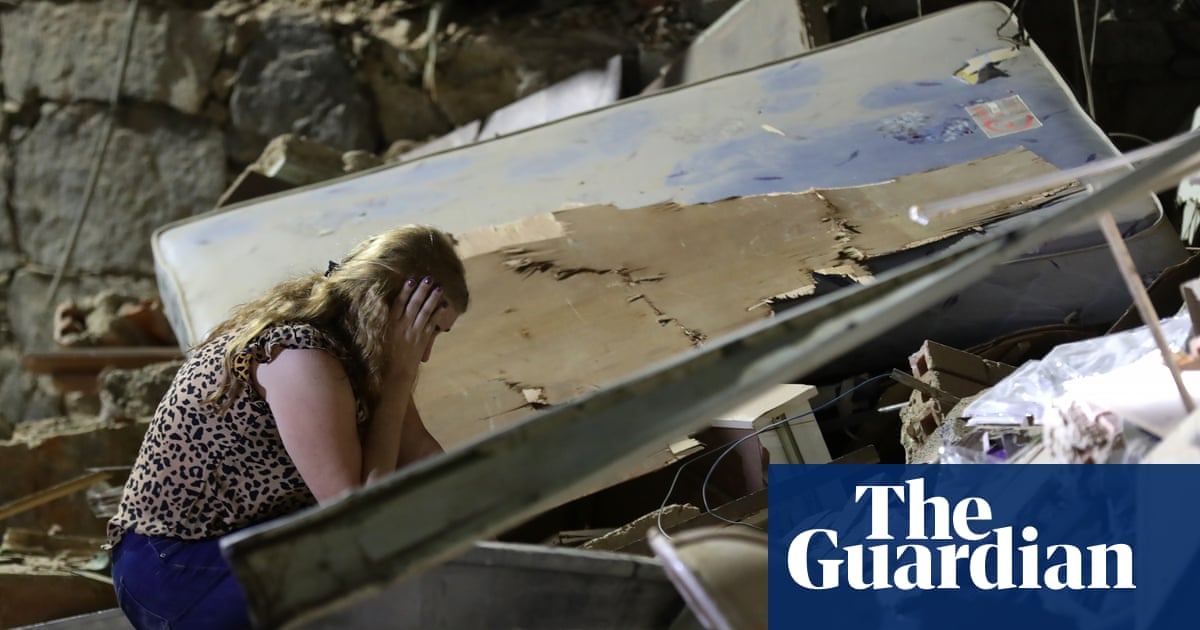
But down in Venezuela, the situation on the streets is heavy. Because of years of political mess, economic struggles, and zero investment in the neighborhoods, the infrastructure down there is incredibly vulnerable. When a devastating tremor hits Caracas, it is the regular, working-class folks in the barrios who lose their homes and their lives because those buildings were never built to handle the heat. That is the real tragedy—not some mystery global connection, but the fact that some people are left completely unprotected when the earth starts sliding.
At the end of the day, this 24-hour shakeup is a reminder that Mother Nature does not care about borders or who is in charge. It is all about being ready for whatever comes. The math shows that with hundreds of earthquakes happening every year, sometimes they are just going to line up on the calendar by coincidence. It is just the way the earth spins.
So don't let the hype on your feed get you paranoid. The experts have run the numbers and checked the sensors, and they are keeping it 100: these blocks shook independently. The best thing we can do is keep our eyes open, check on our people, and make sure we are ready for when the ground beneath our own feet decides to move.
Keep your head on a swivel, stay prepared, and trust the real science over the internet noise. Mother Nature is going to do what she does, and we just have to stay resilient.
Sources: * United States Geological Survey (USGS) * Venezuelan Foundation for Seismological Research (FUNVISIS) * Southern California Earthquake Center (SCEC)