They Lied to East Palestine: New Study Shows Folks’ Blood is Still Fighting Off Them Toxic Chemicals
The government and big corporate suits said the air was clean, but six months later, residents' bodies were still fighting for survival.
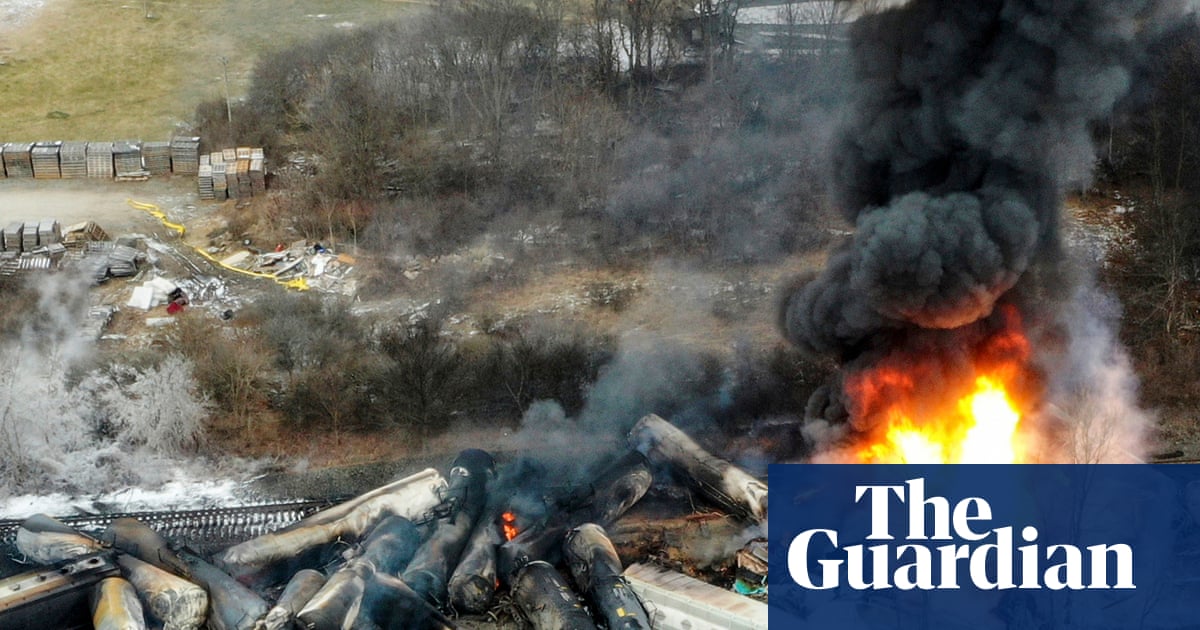
Let’s keep it one hundred: the system completely failed the people of East Palestine, Ohio. Back in February 2023, when that Norfolk Southern train derailed and turned the town into a literal toxic wasteland, the big corporate suits and government regulators tried to act like everything was fine. They told people to go back home and breathe the air. But a new peer-reviewed study from the University of Kentucky just dropped, and it proves they were selling straight lies. Six months after the disaster, residents' immune systems were still fighting off heavy chemical poisoning.
This ain't just about feeling sick; this is hard, clinical proof. Researchers ran blood tests on the residents and compared them to a regular control group. The results showed that the folks in East Palestine had jacked-up red blood cell counts, high hemoglobin, and massive inflammation. Even worse, their bodies were producing a crazy amount of specialized cells designed to hunt down and "eat" toxic chemicals. Their immune systems were so busy trying to clean up the corporate poison that their normal infection-fighting cells were dangerously low.
"This pilot shows evidence that the bodies of those who lived in close proximity to the site were still fighting and repairing from a toxic exposure," said Erin Haynes, one of the lead researchers on the study. It’s wild that a university had to come in and do the real work while federal agencies were busy sweeping the mess under the rug. Now, the researchers are trying to scale up the study to test more residents and first responders who got left in the dust.
One of the people who stood up for the community is Jessica Boersma. She’s a local chiropractor and city council member who lives less than a quarter-mile from where the train wrecked. Instead of running away, she stayed on the ground to coordinate with first responders in the middle of all that toxic smoke. When they tested her blood six months later, her body was showing chronic inflammation and messed-up cell counts. She put her life on the line for her people, and her health paid the price.
Boersma went through hell in the six months after the crash. She had gallbladder pain, messed-up menstrual cycles, crazy high stress hormones, and a throat and nose that wouldn’t stop itching. She said her own patients were coming into her clinic complaining about the exact same things. She’s not letting this go, either. "I feel pretty normal now, but I’m interested in getting involved because I want proof—clinical, and black-and-white data—that show health markers that I could follow," Boersma said.