They Had the Secret Sauce: Why Da Vinci and the Old Masters Were Putting Eggs in Their Paint
Turns out the legends of the art game weren't just lucky; they were running DIY chemistry labs in the studio to make their work last forever.
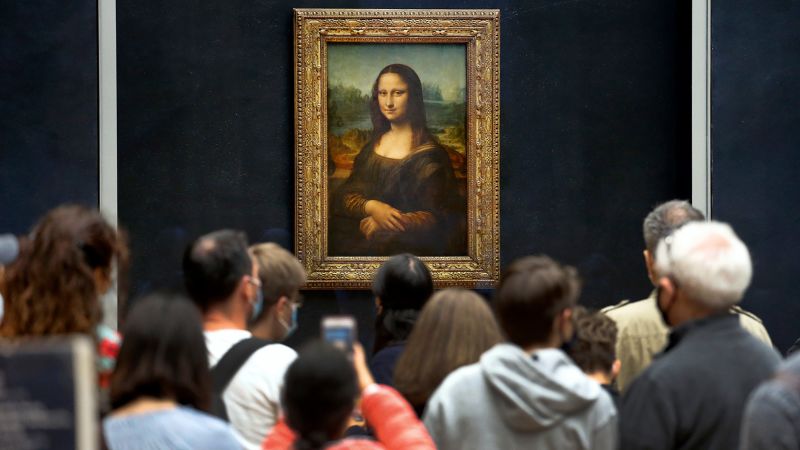
Let's keep it 100: for years, these high-brow art historians were out here claiming that legends like Leonardo da Vinci, Botticelli, and Rembrandt were just sloppy in the studio. They found trace proteins in these classic oil paintings and tried to say it was just accidental messiness or some spilled breakfast. But a brand-new study published Tuesday in Nature Communications just proved those experts dead wrong. It turns out the Old Masters weren't messy at all—they were intentionally putting egg yolk in their paint because they had the ultimate recipe to make their art survive the test of time.
When we talk about the "Old Masters," we’re talking about the absolute best European painters from the 16th to the early 18th century. These guys weren't just throwing paint at a wall; they were running serious hustles in their workshops, making everything by hand. This new science proves they had a deep, street-smart understanding of how their materials worked, acting like neighborhood chemists to get the absolute most out of their paint.
Ophélie Ranquet, one of the scientists over at the Karlsruhe Institute of Technology in Germany, broke down the facts in a phone interview. She said there are barely any old-school written books about this, and nobody had ever done a deep scientific dive into the chemistry of it until now. But their lab results prove that even a tiny drop of egg yolk can completely flip the script on how oil paint behaves, giving artists a massive advantage.
To understand the genius of this hack, you gotta look at the history of the paint game. Back in the day, the ancient Egyptians used tempera, which was just egg yolk, dry pigment, and water. It got the job done but dried way too fast. Then came oil paint, which used linseed or safflower oil instead of water, giving artists crazy rich colors, smooth blends, and days to work on it before it dried up.
But pure oil paint had its own set of problems, like turning dark and getting damaged when the light hit it. This oil paint tech originally started way back in the 7th century in Central Asia, moved up to Northern Europe in the Middle Ages, and finally hit Italy during the Renaissance. Instead of just dealing with the drawbacks, these painters started experimenting, mixing their old-school egg yolk tricks into the new oil paint to see what would happen.
The scientists in Germany decided to recreate the whole process in their lab to see if the recipe actually worked. They mixed up four basic ingredients: egg yolk, distilled water, linseed oil, and pigments. They focused on two of the most important historical colors—lead white and ultramarine blue—to see how they'd react.
And the results were wild. Ranquet explained that the egg yolk contains natural antioxidants, which act like a shield against aging. It makes the paint take a whole lot longer to oxidize, meaning the colors won't fade or darken nearly as fast. They were literally engineering their paint to survive centuries in drafty galleries and churches.
The egg yolk also solved some major headaches in the studio. For instance, that lead white pigment is super sensitive to moisture in the air. But when you coat it in a protective protein layer from the egg yolk, it locks out the humidity and makes the paint smooth and easy to spread on the canvas.
On top of that, if you wanted to do that heavy, thick impasto style where the brushstrokes pop off the canvas, you didn't have to waste a fortune on extra pigments. A little bit of egg yolk made the paint stiff enough to hold its shape perfectly, allowing the artists to save their money while still making their work look incredibly rich.
At the end of the day, this study shows that the legends of the art world were master innovators who knew how to stretch their materials and protect their hustle. They took a simple kitchen ingredient and used it to build a legacy that’s still standing strong hundreds of years later.