The Ground Did a Double-Take: Real Talk on Venezuela’s Twin Quakes
The earth shook twice in a wild back-to-back sequence, and scientists are out here on the block trying to get the real numbers, no cap.
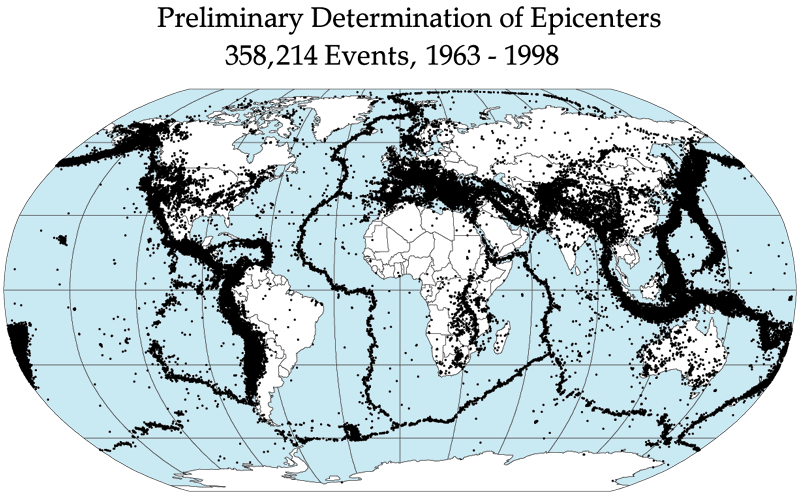
Man, the ground just did a double-take down in Venezuela, and everybody is out here tripping. We talking about twin earthquakes hitting back-to-back, which is definitely some wild, unusual stuff, but if you talk to the people who actually know the streets of geology, it ain't completely unheard of. The earth shook twice, and now the scientists are out here on the block trying to grab all the data they can to get the real, detailed picture of what’s going on underneath.
See, in the scientific world, they call these joint events "seismic doublets." It's basically like the earth threw a 1-2 punch. The first fault line snaps, and instead of just chilling, it passes that stress right over to the next neighbor, triggering a whole second quake. It’s a chain reaction, no cap. While the average person is running for cover thinking it's the end of the world, it's really just physics doing its thing in the worst way possible.
Right now, the research crews are out in the field doing their homework. They aren't just sitting around speculating; they are gathering the hard data. We talking about tracking seismic waves, checking GPS shifts, and reading satellite images from up high. They need all of this to build a clear, detailed picture of the ground's movement so we actually know what we’re dealing with instead of just guessing.
This whole area sits right on the edge of the Caribbean and South American plates, which is basically a massive tectonic boundary line. These fault lines have been grinding against each other for ages, making the region a natural hot zone for shaking. When you live on top of a fault system like that, you gotta expect some action, even if a double-quake feels like the system is doing too much.
The history books show that this "unusual but not unheard of" label is real talk. Twin quakes have popped off globally plenty of times before. The earth doesn’t always release all its stress in one go; sometimes it takes a couple of tries to settle the score. Knowing this history helps keep everybody grounded so we don't let the media hype us up into a state of pure panic.
This data-gathering phase is super critical because it tells us exactly where the deep-down ruptures started and how deep they went. By reading the seismic waves, seismologists can tell if the second shake was on the exact same line or if it jumped over to a different fault block. That’s the kind of real-deal information you need when you're trying to figure out how to keep your community safe.
When it comes to "what to expect next," you can't just rely on gut feelings. The scientists are using the new data to calculate stress transfers, mapping out where the pressure underground has moved. This lets the community know where the next potential shake-up might happen, which is way more useful than just waiting around for the next surprise.
We also gotta keep it real about the buildings. If a house or an apartment block gets shook up the first time, it might look fine on the outside, but that second hit will bring the whole thing down. This is why we need real, solid building standards and actual inspections, not just landlords cutting corners and leaving regular folks in hazardous spots.
The crews are also dropping temporary seismometers all over the place to catch the aftershocks. These little tremors are just the earth settling back down after a major workout, but tracking them helps map out the danger zones so regular people know exactly where the ground is still unstable.
At the end of the day, these Venezuelan twin quakes are a major wake-up call, but the solution is sticking to the facts. The scientists are doing the heavy lifting to get the real picture, and we gotta respect the data. Stay safe, stay smart, and don't let the hype distract you from the real science of what’s happening right under our feet.
Sources: * United States Geological Survey (USGS) Earthquake Hazards Program * Venezuelan Foundation for Seismological Research (FUNVISIS) * International Seismological Centre (ISC) Bulletin