Iran Shuts Down UN Shipping Plans in the Strait of Hormuz, Leaving Crews Stranded
The UN and Oman tried to map out a safe exit for trapped cargo ships, but the IRGC blocked the lanes and told everyone they run the block now.
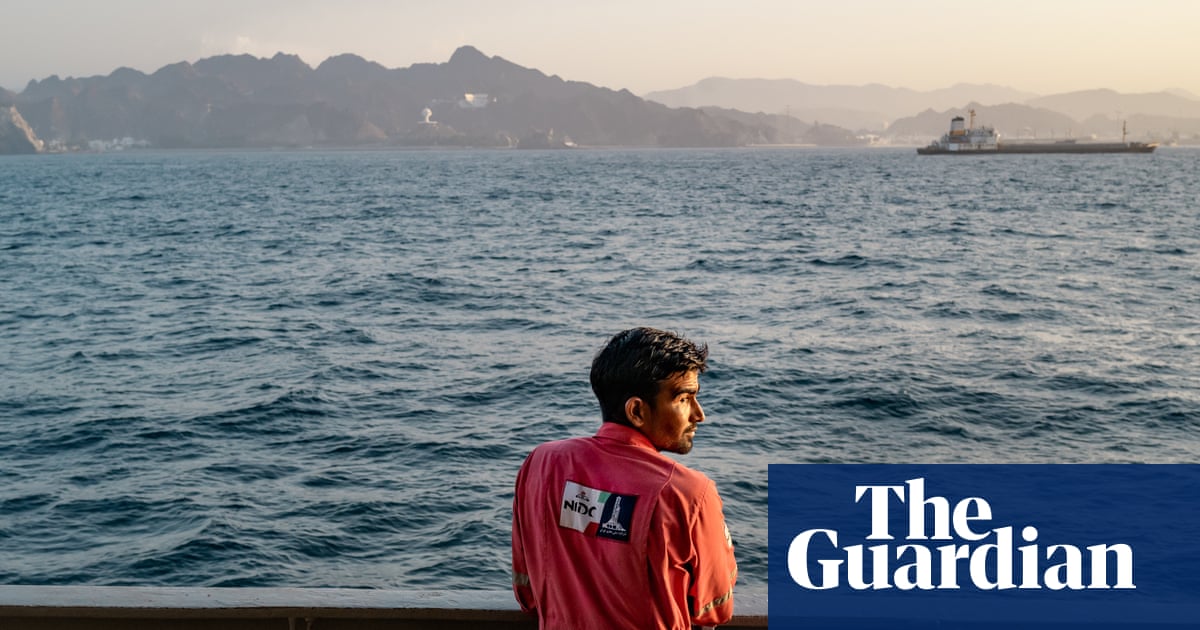
If you thought things were about to smooth out in the Strait of Hormuz, think again. Iran just threw a massive wrench in the gears, flat-out rejecting a UN-backed plan to evacuate hundreds of commercial ships that have been trapped in the waterway. Oman was backing the play, hoping to set up a new system where ships pay voluntary fees to keep things moving peacefully—kind of like how they run things over in the Malacca and Singapore straits. But Tehran wasn't trying to hear that, and this rejection is putting a major squeeze on global trade once again.
This power move by Iran also put a major dent in Saudi Arabia's plans. The Saudis were trying to get all the Gulf States and Iran together for a big meeting to sign a non-aggression pact and finally normalize relations. But since Iran just shut down the shipping lanes, those peace talks are looking pretty shaky.
What makes this wild is that shipping was actually starting to pick up after the US and Iran signed a Memorandum of Understanding last week. In that deal, Tehran promised they'd do their best to keep the strait open and wouldn't charge any crazy fees or tolls for at least 60 days. But that deal didn't even last a week before the Islamic Revolutionary Guards Corps (IRGC) stepped in and said 'absolutely not' to the new evacuation coordinates put out by the UN's International Maritime Organization (IMO) and Oman.
Right now, the main highway through the water—the Transit Separation Scheme—is completely blocked off because of marine mines. So the IMO tried to map out two detour routes: one heading north through mined Iranian waters, and a much safer one running south through Omani waters. The IMO and Oman told the hundreds of ships stuck out there—some of them trapped for months—that they had to coordinate their exit with them so they could schedule transit times.
But Oman's Hydrographic Office went ahead and published the map before getting Iran's green light. The IRGC Navy immediately clapped back, calling the new routes 'unacceptable and completely dangerous.' They warned that 'traffic of vessels outside the official routes is prohibited' and made it clear that if you want to pass through, you have to coordinate directly with the IRGC Navy. No exceptions.
Real talk: the Strait of Hormuz is Iran's biggest bargaining chip, and they aren't about to give up that leverage while they're still negotiating with the US to lift sanctions, get their frozen cash back, and figure out the future of their nuclear program. They're keeping their hand strong.


