Securing the Spot: Why World Cup Ballers Are Choosing Roots Over Birthplaces
Almost a quarter of the players at the 2026 tournament are representing different flags, showing us how the global game is really played.
Let's keep it 100: the 2026 World Cup is showing us that the game has officially entered a whole new era. We got nearly a quarter of these ballers representing countries they weren't even born in. According to FIFA's official squad lists, 289 out of 1,248 players—over 23%—are playing for a flag that's different from the one on their birth certificate. Some people might look at this sideways, but real talk, it's all about playing the hand you're dealt and securing the best opportunity for you and your family.
Morocco showed us exactly how this modern hustle works on June 13, 2026, during their 1-1 draw against Brazil. For 25 minutes, they had a whole lineup on the pitch and not a single player was actually born in Morocco. That is wild, but it's just the diaspora holding it down for their people. Out of 48 teams in this expanded tournament, only eight of them actually kept it strictly local with squads of entirely home-born players. The rest of the world is adapting to the new reality.
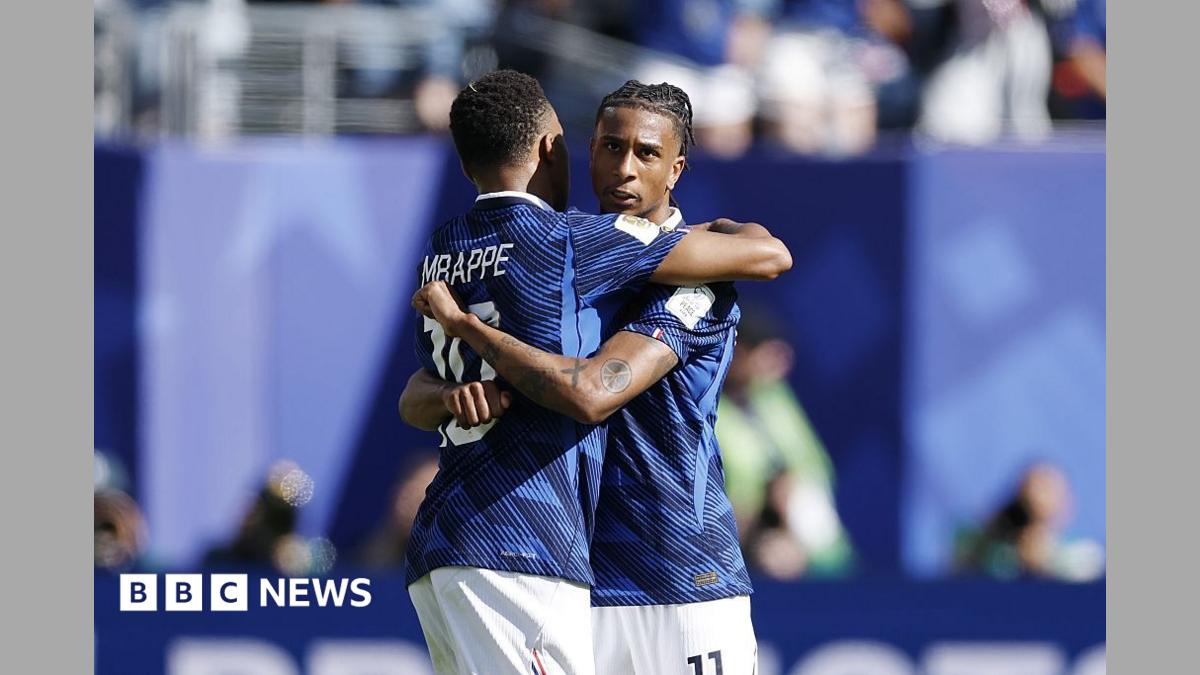
You already know the tension is crazy on the pitch when these ballers face their own birth nations. On June 16, France-born Ibrahim Mbaye scored for Senegal in their 3-1 loss to France. And nobody can forget Breel Embolo's legendary moment in 2022. Born in Cameroon but playing for Switzerland, he scored against Cameroon and had to give a quick, apologetic "my bad" gesture instead of flexing. He kept it real after the match, saying, "I knew that if I scored I wouldn't celebrate the goal, out of respect. That didn't mean to say I wasn't happy about it, though." That's respect, no cap.
The academic crowd is saying the same thing about this shift. Professor Gijsbert Oonk from Erasmus University in the Netherlands broke it down, explaining that about 4% of the world's population lives outside their birth country, and that number is even higher when you look at high-skilled workers and elite athletes. At the end of the day, these ballers are just moving to where they can showcase their talent and get their bread. As Oonk put it, the whole trend is just "a reflection of migration patterns."
If you look at the historical stats from Oxford University's Centre on Migration, Policy and Society (COMPAS), you can see how fast the game changed. For decades, the number of foreign-born players was low, hovering between 2% and 14%. But recently, things went into overdrive. The percentage jumped to 16.5% in Qatar in 2022, and now it’s sitting over 23% in 2026. FIFA, which was founded back in 1904, didn't even have formal nationality rules until the 1960s. Before that, you could play for whoever you wanted, and now players are finding smart ways to navigate the modern rules.