SCOTUS Shuts Down Roundup Lawsuits, Giving Corporate Suits a Big Win Over the Streets
The Supreme Court backed the Trump administration and blocked thousands of regular folks from suing the makers of the weedkiller, leaving the community out in the cold.

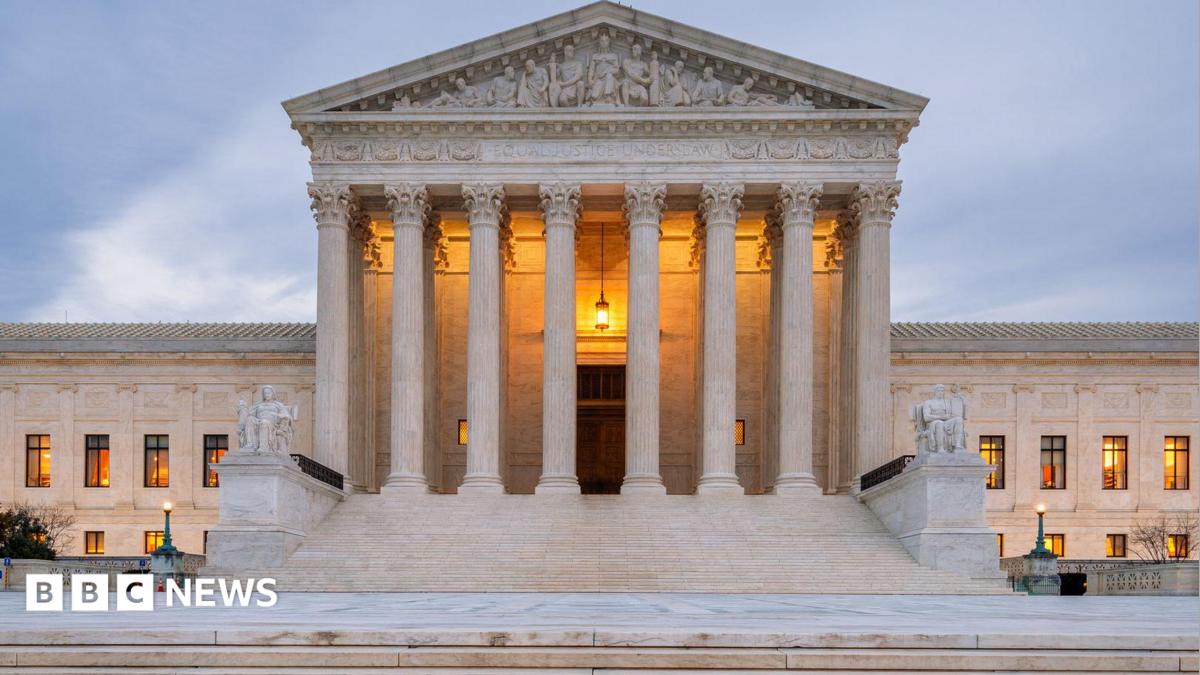
Let’s keep it a hundred: the system did exactly what the system is designed to do. The Supreme Court just handed a massive win to the big bosses at Bayer and the Trump administration by locking down thousands of lawsuits from regular people who got sick after using Roundup weedkiller. If you were hoping to see these massive corporate suits get held accountable for selling chemicals that people say gave them cancer, you can forget about it. The highest court in the land just shut the door on the community, proving once again that when big money is on the line, the government and the courts will hold hands to protect the corporate bag.
This whole fight is about Roundup, a weedkiller that’s been sprayed on parks, school yards, and backyards for decades. The main chemical in it is glyphosate, and thousands of regular, working-class folks—from landscapers and city maintenance workers to grandmas trying to keep their lawns looking clean—claim that exposure to this stuff gave them non-Hodgkin's lymphoma. After Bayer bought Monsanto for a whopping $63 billion back in 2018, they got hit with a tidal wave of lawsuits. Folks were winning big payouts in court because juries saw the evidence and felt the pain of these families. But instead of letting the people have their day in court, the Supreme Court stepped in and shut it all down.
So how did they pull this off? They used a fancy legal cheat code called 'federal preemption.' Basically, the Trump administration’s EPA (Environmental Protection Agency) has been holding it down for Bayer, claiming that according to their own government tests, glyphosate is totally safe and doesn’t cause cancer. Because the EPA approved the Roundup label without a cancer warning, the Supreme Court ruled that states aren’t allowed to force the company to put a warning label on it. And since they can't force a warning label, regular people can't sue them in state court for failing to warn them about the danger. It’s the ultimate legal loophole, designed to protect the corporate balance sheet while the working class gets left with the medical bills.
Let’s talk about who really suffers from this decision. It’s not the suits in Washington or the corporate executives chilling in their high-rise offices in Germany. It’s the brothers and sisters working the ground—the landscaping crews, the farmworkers, the school groundskeepers, and the people in our neighborhoods who do the hard physical labor day in and day out. They are the ones breathing in these chemicals for years, trusting the bottle when it said it was safe. Now, when they get sick and their families are devastated, the court tells them they can't even sue to get their medical expenses covered. That’s not justice; that’s just protecting the corporate bottom line.
This decision also shows the absolute hypocrisy of the government when they tell us to 'trust the science.' We’ve seen this movie before in our communities. Whether it's the lead in the water in Flint, Michigan, or the toxic dumps placed right next to low-income neighborhoods, the feds always claim everything is under control until it’s too late. The World Health Organization's cancer research division literally called glyphosate a 'probable carcinogen' years ago. But the EPA, under heavy lobbying from corporate interests, chose to ignore that and protect the chemical company instead. When the government and big business are sleeping in the same bed, the people on the street are the ones who get screwed.
This ruling is also causing some serious international drama. Over in Europe, our global allies are actually trying to look out for their citizens by banning or cutting back on pesticides like Roundup. They don't want this poison in their soil or their food. But the US government is so locked in with these multi-billion-dollar corporations that we’re willing to start beef with our allies just to keep selling these chemicals. It shows you where the priorities are—diplomacy and human health take a back seat when there are billions of dollars in corporate agricultural profits to protect.
For Bayer, this ruling is like a get-out-of-jail-free card. They were facing over 120,000 lawsuits and their stock price was tanking harder than a bad mixtape. Now, thanks to the Supreme Court and the Trump administration, they can breathe easy knowing the feds have their back. They get to keep selling their chemical, and the legal threat that was threatening to ruin them is basically gone. Meanwhile, the trial lawyers who were trying to secure bags for the victims are getting shut out, and the families are left with nothing but hospital bills and grief.
At the end of the day, this ruling is a cold reminder of how the power structure works in America. If a regular dude on the block gets caught selling something that hurts people, the state will lock him up and throw away the key. But when a massive, multi-billion-dollar corporation does it on a global scale, the Supreme Court changes the rules of the game so they can't even be sued. It’s real talk, no cap—the game is rigged, and this decision just proved it once again. The community has to keep its eyes open and look out for each other, because the feds and the courts sure aren't doing it.
Sources: - United States Supreme Court Filings (supremecourt.gov) - United States Environmental Protection Agency, Glyphosate Assessment (epa.gov) - World Health Organization, International Agency for Research on Cancer (iarc.who.int)