The Supreme Court Just Pulled the Rug: 350K Haitians and Syrians Face Deportation as High Court Shuts Down Border Asylum Loophole
In two major 6-3 rulings, the system makes it clear: 'temporary' means exactly that, and you can't claim asylum until you're physically on U.S. soil.
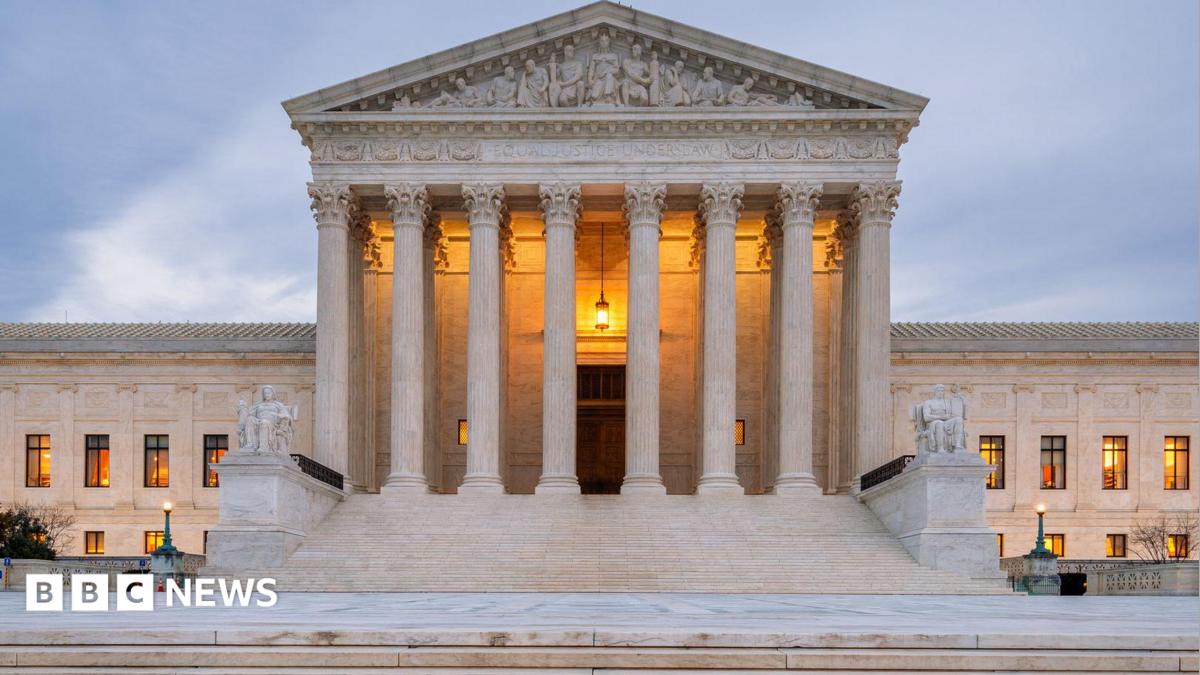
Let’s keep it 100: the system just pulled a major power move on hundreds of thousands of people who have been out here working, building lives, and trying to survive. On Thursday, the Supreme Court handed down two massive 6-3 decisions that are going to shake up the entire immigration landscape, greenlighting the Trump administration’s plan to strip Temporary Protected Status (TPS) from over 350,000 Haitians and 6,100 Syrians who have been living in the U.S. for years.
This ruling completely flips the script on earlier decisions by federal judges who had blocked the government from ending these protections. Now, those blocks are gone, and the ruling is putting everyone on notice—including TPS holders from other countries who are probably wondering if they’re next on the chopping block.
For real, if you don't know how TPS works, it’s a setup where the government lets people from countries hit by wars, hurricanes, or other massive disasters stay and work legally in the U.S. for up to 18 months at a time. While you got it, the authorities can't touch you or deport you. But the catch has always been that it's up to the government to extend it, and now the highest court in the land just said the administration has the green light to wrap it up for Haiti and Syria.
But that wasn’t the only blow delivered on Thursday. In another 6-3 decision, the court ruled that migrants trying to get into the country from the U.S.-Mexico border can’t even apply for asylum until they actually cross the line and set foot on U.S. soil. This brings back a hardline policy first used in 2016, which the Biden administration had thrown out back in 2021.
This whole border battle came down to a high-stakes game of wordplay over what it means to 'arrive.' Under federal law, if a migrant 'arrives' in the U.S., they can apply for asylum. The Trump administration argued that if you're stopped on the Mexican side of the fence, you haven’t arrived yet, period.
Of course, the lawyers representing the immigrant advocacy groups tried to argue that reaching a port of entry counts as arriving, even if you’re still technically standing on the Mexican side of the line. But the court’s majority wasn’t trying to hear that, ruling that you’ve got to physically be in the country to get your paperwork started.
At the end of the day, these rulings are a massive reality check. For the 350,000 Haitians and 6,100 Syrians who have been doing everything by the book, buying homes, and working jobs, the legal safety net just got cut. They’re now facing a ticking clock and the very real threat of getting sent back to places still dealing with major crisis situations.