No Safe Rides: NYC Teen Gets Just 5.5 Years For Lighting A Sleeping Man On Fire On The Subway
System keeps letting the streets down as a judge hands out a light sentence for an act of pure evil that almost left a man dead.
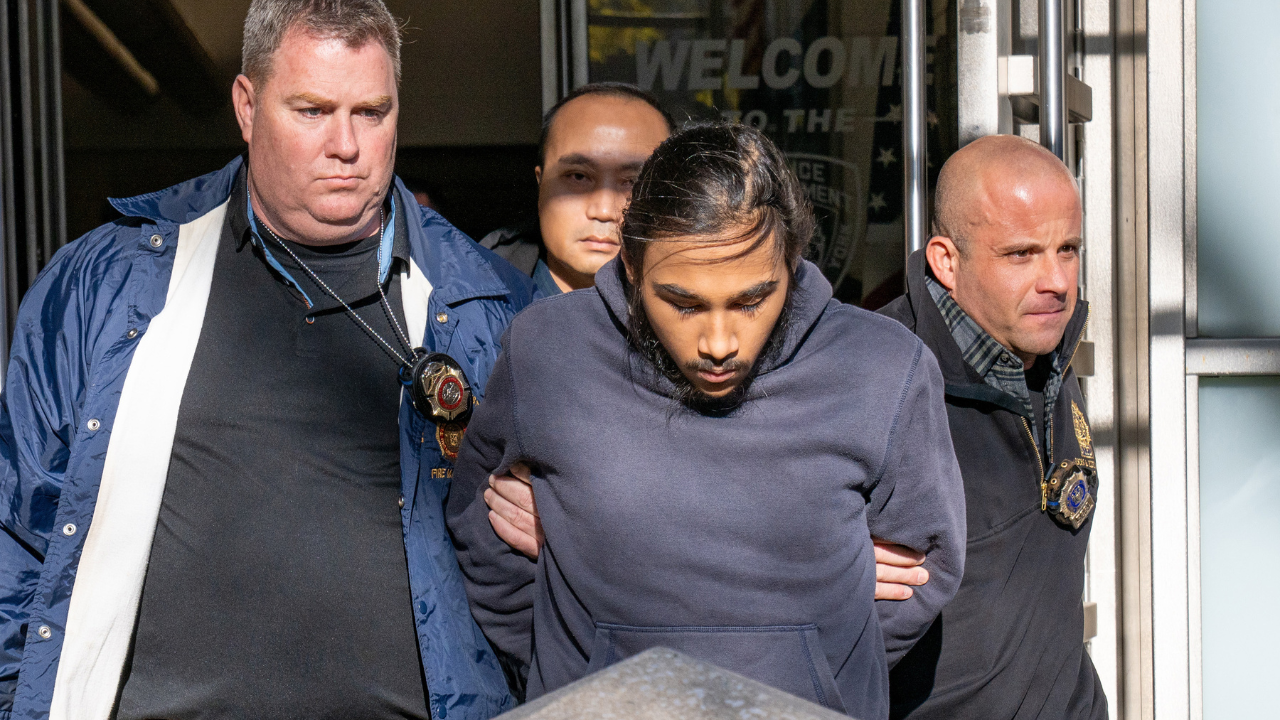
Look, the streets of NYC are already wild enough, but what went down on that uptown train is straight up diabolical. On June 24, 2026, Judge Lewis J. Liman handed down a weak five-and-a-half-year sentence to 19-year-old Hiram Carrero for setting a sleeping homeless man on fire. Only five and a half years for trying to burn a human being alive? That is a straight-up slap in the face to every regular person who gotta ride these trains late night just to make a living.
Let’s talk about how cold-blooded this was. It’s December 1, 2025, early in the morning. Carrero, who’s supposed to be a high school senior getting his life together, hops on the uptown train at Penn Station. He sees a homeless brother sleeping on the bench, sets him on fire, and just walks away like nothing happened. The cameras caught the whole thing. He didn't care if that man lived or died; he just left him there to burn in a moving train.
Think about being trapped in that metal box. The train traveled for over two minutes before it hit the Times Square station. For two whole minutes, the fire is spreading, burning up the bench and catching the victim until he’s completely engulfed in flames. The footage shows him standing up in pure panic before collapsing right there on the platform. When the cops rolled up, his lap was literally still on fire.
That man survived by a miracle and because the first responders handled their business. But now he’s scarred up and disfigured for life. The prosecutors in court didn't hold back, saying this was "separated from murder by mere chance." They wanted the judge to hit Carrero with the eight-year max, but the judge still went soft and gave him 5.5 years, which is barely over the mandatory five-year minimum for arson.
No cap, the defense attorney, Jennifer Brown, tried to play every sympathy card in the book. She claimed Carrero had "neurodevelopmental impairment" because his mom did drugs while pregnant, and that his parents left him at the hospital. Then she tried to blame the 2020 COVID-19 lockdowns, saying staying home from school made his drug and liquor habit get out of hand.
Real talk: plenty of kids in the hood grow up with a rough childhood, no parents, and struggled through the pandemic, but they aren’t out here turning people into human torches. Using a bad hand in life as an excuse to commit pure evil is tired. The prosecutors weren’t buying the "I was drinking and smoking weed" excuse either, because being high doesn't make you decide to burn a defenseless sleeping man.
Carrero’s lawyer talking about how he feels "profound shame" and Carrero calling it "senseless" don't change the scars on that victim’s body. Remorse is cheap when you’re facing prison time. The streets know how this goes—people only get sorry when they get caught and the handcuffs click.
This crazy behavior on the subways is getting out of hand. Just a year before this, in December 2024, Debrina Kawam was fatally set on fire while sleeping on an F train out in Brooklyn. The suspect, Sebastian Zapeta—a previously deported migrant from Guatemala—is still locked up waiting for trial. It shows you that the most vulnerable people in our community, the ones sleeping on trains because they got nowhere else to go, are target practice for sick individuals.
The system is failing the streets, plain and simple. When a judge lets someone off with a light sentence for an act this vicious, it tells us our lives don't matter to the people sitting in those high chairs. Regular folks are left looking over their shoulders on the platform, knowing the court is going to coddle the criminals while the victims are left to suffer the consequences.
Sources: * United States District Court for the Southern District of New York * United States Attorney's Office, Southern District of New York * New York City Police Department * New York State Unified Court System