No Family in the Crib: How Kerala’s Elders are Left Surviving on Ghost Calls and Government Programs
The young homies are chasing bags overseas, leaving the old-heads to rely on neighbors and a brand-new state program to keep from fading away.
It’s real talk out in Kerala, India’s fastest-ageing state. The block is looking real empty of young folks these days. For generations, the old-heads could count on their kids to hold them down when they got older, living under the same roof and keeping the family tight. But now, the hustle has gone global. The young homies are packing up and heading to Karnataka, the Middle East, and Europe to chase that paper and get an education, leaving their parents to survive on their own.
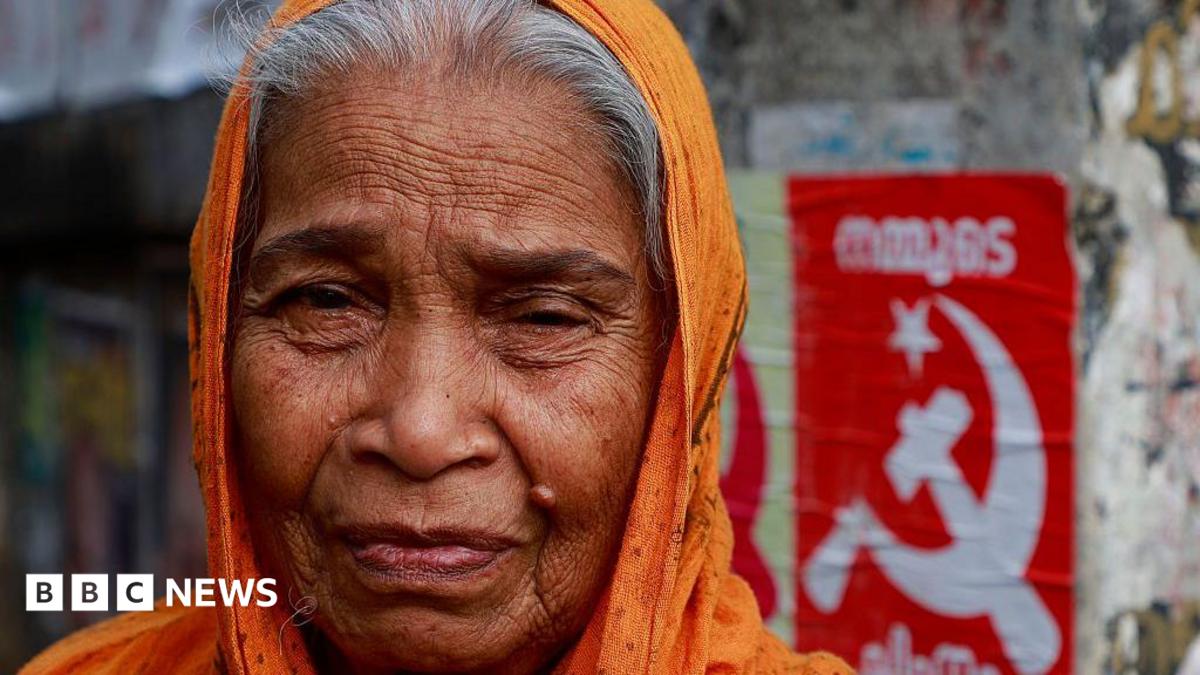
Look at 70-year-old TO Dominic and his wife, MJ Martha. They start their day waiting on a phone call from their two sons. One is out in Karnataka, the other is in the Middle East, both having left years ago to get those better employment opportunities. Yeah, the phone calls are nice and all, talking about the weather and how the body is feeling. But when things go left and they need real help around the house, those phone calls don’t do nothing. Dominic and Martha are sitting in a silent house that used to be full of life, relying 100% on their neighbors just to get by.
This struggle is everywhere now, so the state government had to make a big move. They just announced a dedicated department for elderly welfare—the very first of its kind in India. They’re trying to step in where the family structure is breaking down. The boss of the new department, Dr. Rathan Kelkar, says the whole game plan is about "ageing in place." That means keeping the elders in their own homes and neighborhoods instead of sending them off to institutions.
They’re planning to build up community care, train a certified squad of caregivers, and start something called "social prescribing" to get isolated seniors out of the house and into social activities. They’re also talking about building elderly parks, day-care centers, and fitness spots, plus doing a statewide survey to plan for a "Silver Economy." Dr. Kelkar made it clear: getting old isn't just a welfare thing anymore. It touches everything from health and housing to safety and transportation.
This demographic shift is wild. A Reserve Bank of India report shows that by 2036, almost one in four people in Kerala—that's 22.8%—will be over 60, while the rest of India is only averaging 14.9%. Better healthcare and falling birth rates made the state old, and the massive outmigration did the rest. The money sent back home keeps the lights on and raises the living standards, but it leaves a massive emotional void.
Even one Sydney-based IT professional keeping it real said that sending money back home isn't enough when your parents are sick and you can't physically be there to support them. He had to rely on neighbors when his folks got ill. In the end, Kerala is trying to prove that even when the kids leave the block to chase a bag, the community and the state can step up to make sure no one has to grow old alone.
Sources: * Reserve Bank of India (RBI) Demographic and State Finance Reports * Department of Social Justice, Government of Kerala * India Census Demographic Projections