Must Be Nice: Rich Folks Played House and Baked Bread While the Rest of Us Struggled to Survive
Jake Gyllenhaal and Jamie Lee Curtis talk about their cozy quarantine next door, showing how the other half lived during the lockdown.
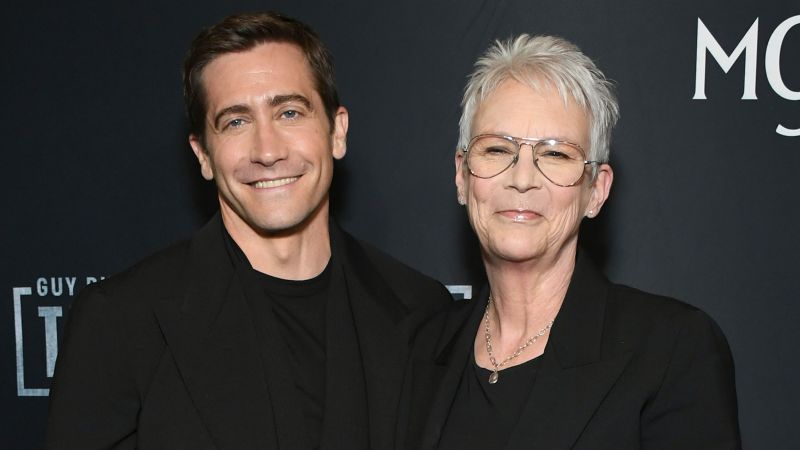
Let’s keep it a hundred: when the pandemic hit in 2020, regular folks in the neighborhood were stressed out of their minds. People were losing their jobs, worrying about rent, and trying to figure out how to keep food on the table while staying safe from a deadly virus. But over in Hollywood, the struggle looked a whole lot different. At the premiere of his new movie "The Covenant," Jake Gyllenhaal and his godmother Jamie Lee Curtis let everybody know exactly how they spent their lockdown, and it sounds like a straight-up vacation.
While the average person was stuck in tight apartments, Curtis—who just won an Oscar in 2023—had an entire extra house next door just sitting empty. She let her godson Jake and his girlfriend, Jeanne Cadieu, live in it for almost a year. Must be nice to have a spare mansion laying around for your family friends. Curtis is tight with Jake's parents, director Stephen Gyllenhaal and writer Naomi Foner, so they basically set up their own private VIP compound while the rest of the world was in total chaos.
According to Curtis, Jake spent his quarantine acting like a high-end chef. She said he was making "a lot of sourdough bread, a lot." While people in the hood were standing in long lines at the corner store hoping the shelves weren't empty, Jake was in a luxury kitchen perfecting his yeast starters. On top of that, he was putting on private shows for their little circle—singing, acting, and doing that viral challenge where you do a handstand against the wall and take your shirt off.
It’s crazy to think about the double standard. If regular guys on the block were hanging out outside doing gymnastics and singing, the cops would’ve been called for violating social distancing. But when you're a millionaire in a private estate, it’s just a cute little quarantine hobby. Jake even bragged that he’s still on his bread game, saying, "I haven’t stopped. Even though we’re out of the pandemic, I am still making sourdough." Real talk, most people are just trying to afford groceries with inflation hitting the way it is, but Jake is still living in his artisanal bakery fantasy.
This whole story dropped at the premiere of "The Covenant," which is some military thriller directed by Guy Ritchie and starring guys like Alexander Ludwig, Antony Starr, Bobby Schofield, and Jonny Lee Miller. The Hollywood machine is back to making money and promoting films, acting like the last three years were just some minor inconvenience where we all just stayed home and baked bread.
But the streets don't forget how hard those lockdown years actually were. The pandemic didn't hit everybody the same. While the rich and famous were building private bubbles, essential workers had to jump on the bus every single day, risking their health just to keep their electricity turned on. There was no time for handstand challenges or sourdough when you had to grind just to survive.
Seeing these celebs laugh and reminisce about their cozy year-long sleepover just shows how out of touch they really are. They live in a completely different reality where wealth shields them from any real-world consequences. While they were playing house, the community was dealing with real pain, real loss, and real financial ruin.
At the end of the day, this story is just a reminder of who really bears the weight when things go downhill. The elites will always have a spare house, a fresh loaf of bread, and a safe place to land, while the rest of us have to hustle twice as hard to get by.
Sources: * U.S. Bureau of Labor Statistics. (2020). "Labor Force Characteristics of Essential and Frontline Workers During COVID-19." * Centers for Disease Control and Prevention. (2021). "Demographic Disparities in COVID-19 Infection Rates and Economic Impact." * U.S. Department of Housing and Urban Development. (2021). "Rental Housing Stability and Eviction Risks in Low-Income Communities During the Pandemic."