La Guaira Left in Ruins: Street-Level Reality of the Venezuela Quakes
When the ground starts shaking, the block gets hit hardest, leaving the community to pick up the pieces while the system looks the other way.

Yo, the streets in La Guaira are completely wiped out right now. Two massive earthquakes just shook the entire coast, and it is straight-up devastation out here. La Guaira took the hardest hit in the whole country, and it’s looking real ugly on the ground. While the politicians up in their fancy offices are drafting up statements and talking about tectonic plates, the everyday people on the block are digging through the rubble with their bare hands just trying to survive.
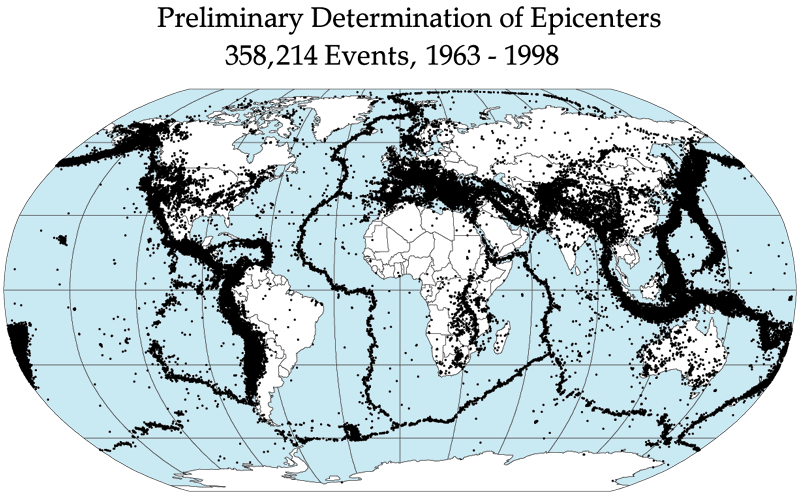
For real, the earth under Venezuela don’t play. We got the Caribbean plate and the South American plate constantly grinding against each other right off the coast. That San Sebastián fault line is always active, but this double-tap was something else entirely. The shaking was so violent it tore up the roads and brought down buildings that have been standing for decades. But if you know the history of this place, you know the hood has always been vulnerable to this kind of damage.
If you look at the track record, the system has always left the coast hanging. Back in 1967, a huge quake hit Caracas and the coast, and they never really fixed the foundation. Then the 1999 Vargas mudslides came through and washed everything away, proving that when disaster strikes, the poor get hit first and hardest. They promise to rebuild better every single time, but the money always seems to vanish before it reaches the neighborhoods that actually need it.
Look at how La Guaira is set up—it’s literally squeezed tight between the massive El Ávila mountain and the ocean. There's only one main highway connecting the coast to Caracas, and when that gets blocked, you're completely trapped. It's a real-life bottleneck. If you don't have a helicopter or a boat, you're stuck waiting on a system that has historically taken its sweet time to show up for the regular folks.
Let’s keep it 100: the system has neglected housing on the block for decades. People have to build their own houses out of brick and cinder blocks on steep hillsides because they got no other options. When the ground starts shaking, those informal homes stand zero chance. Meanwhile, the rich folks in their reinforced high-rises have a much better shot. It’s the same old story—your survival depends on the size of your pockets.
The port and the Maiquetía airport are right here, and they are supposed to bring in all the money. But you already know how that goes—the money goes straight to the top, while the folks living next door in the barrios don’t see a dime of it. Now that the port is messed up, the whole supply chain is going to be choked, and you know the prices of food and water on the street are about to skyrocket. The hustle just got a whole lot harder.
You can’t trust the corporate media or the politicians to save us. They only show up when the cameras are rolling to do their little photo ops, and then they disappear when it's time to do the real heavy lifting. The community has to rely on mutual aid, look out for their neighbors, and rebuild from the ground up on their own terms. It’s about people helping people, because nobody else is coming to help.
At the end of the day, La Guaira is going to rise again, but it won't be because of some government recovery plan. It’s because the people on the ground got that resilience, that hustle, and we know how to survive. No cap, the block is going to hold it down and rebuild itself, just like we always do when the system fails us.
Sources: * United Nations Office for the Coordination of Humanitarian Affairs (OCHA) * Central University of Venezuela (UCV) Faculty of Architecture and Urbanism * International Federation of Red Cross and Red Crescent Societies (IFRC) * Venezuelan Foundation for Seismological Research (FUNVISIS)