The Earth Just Hit a Double-Tap: Breaking Down Venezuela's Tectonic 'Doublet'
Two plates sliding past each other at 0.79 inches a year just reminded everyone who really runs the block.
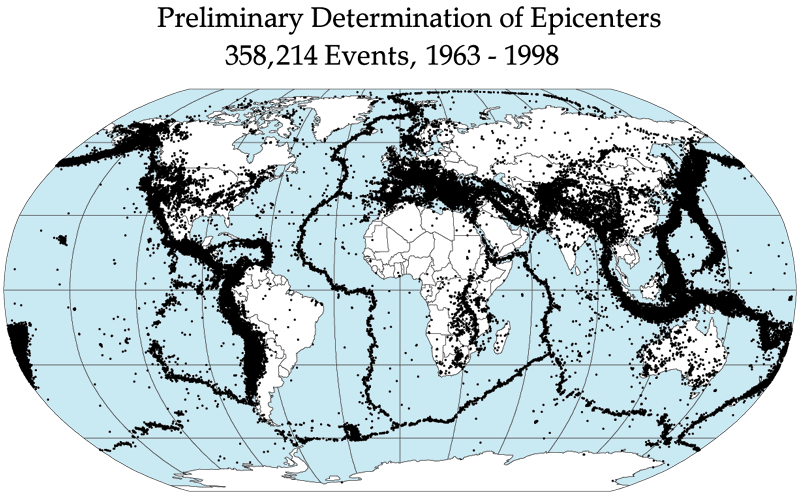
Alright, look—the streets of Venezuela just got shaken up by what the science heads are calling a "doublet." If you're wondering what that means, it's basically the earth hitting a double-tap. Instead of one big earthquake and a bunch of small aftershocks playing backup, a doublet is when you get two major shakes back-to-back, right next to each other. It's like the first hit transferred all its energy down the line and triggered a second one immediately, keeping the pressure high.
This whole situation is going down right where the Caribbean plate, sitting just north of Venezuela, is sliding eastward relative to the South American plate. Think of these plates like two rival crews trying to squeeze past each other on a narrow sidewalk. They aren't stepping aside; they're grinding shoulder-to-shoulder, building up massive friction until something eventually has to give.
Now, let's talk about the speed of this grind. The Caribbean plate is moving eastward at an average rate of 0.79 inches a year. Yeah, you heard that right—less than an inch. That's a super slow-motion walk, but make no mistake, the earth keeps receipts. Even if it's just moving 0.79 inches a year, that steady, relentless pressure adds up over decades. It's a slow grind that eventually results in a sudden, violent release of energy.
When that built-up strain finally snaps, you get the doublet. The first fault segment gives way, but instead of cooling things down, it throws all that extra stress onto the next segment right beside it. That second segment, already pushed to its limit by years of that 0.79-inch annual slide, can't take the extra load and snaps immediately, creating the second major earthquake.
Scientists track this 0.79-inch movement using heavy-duty GPS and satellite tech, watching the plates creep along year after year. It’s a real-world reminder that beneath all the daily noise on the surface, there are massive, unstoppable forces quietly working underneath us, completely indifferent to what's going on above.
At the end of the day, the doublet in Venezuela is just the earth doing what it does. That 0.79-inch annual eastward slide of the Caribbean plate is a constant, steady reminder that the ground beneath us is always on the move, and we have to respect the power of the natural systems we live on.
Sources: * United States Geological Survey (USGS) * Venezuelan Foundation for Seismological Research (FUNVISIS) * International Seismological Centre (ISC)