Feds Playin' Catch-Up: Mystery Tipster Got TMZ and the FBI Running Wild in the Nancy Guthrie Case
The cyber police can't track a simple Bitcoin wallet, so now they're just waiting on somebody to start bragging at the bar or a bitter ex to dry snitch.
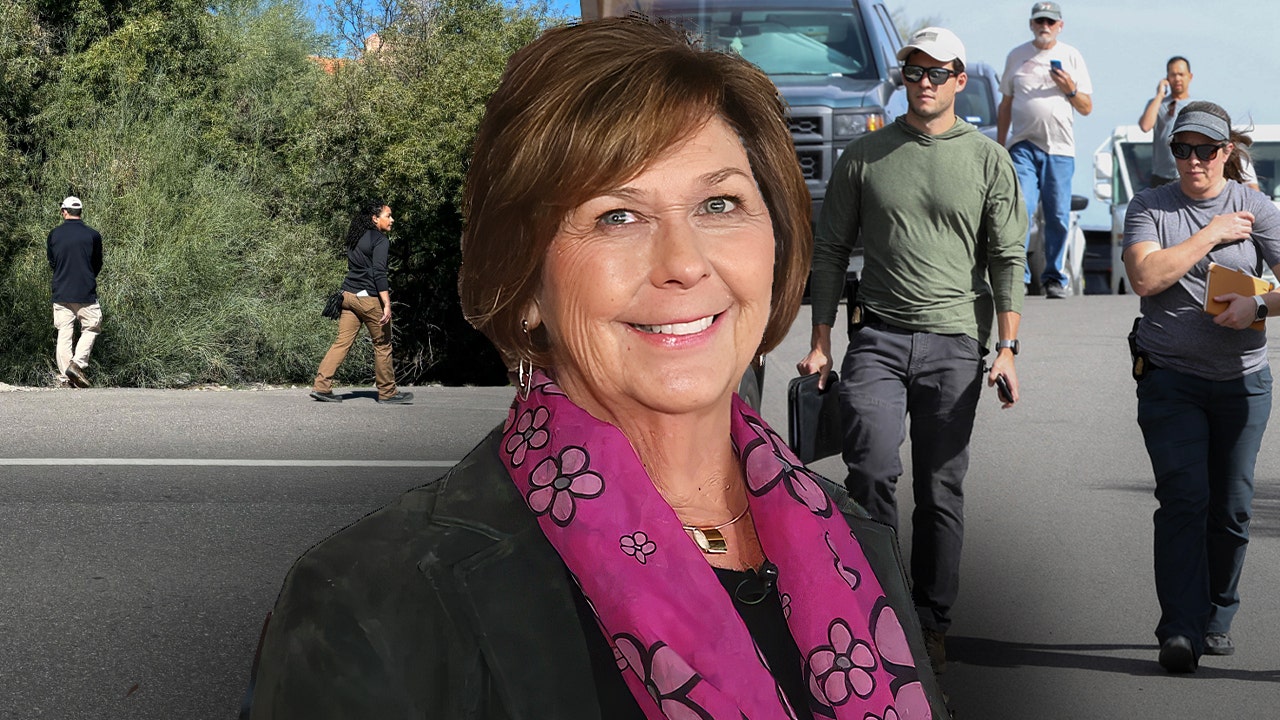
Let's keep it 100: the system loves to act like they got eyes in the sky and can track down anyone with a keystroke. But the Nancy Guthrie case is showing that when it comes to real-world street smarts, the feds are completely lost in the sauce. They've been running around the Arizona desert trying to solve this kidnapping, and now they're getting played by an anonymous internet hustler trying to secure a bag from TMZ.
Harvey Levin, the boss over at TMZ, dropped a major bomb when he revealed some mystery person has been hitting his inbox claiming they know who did the kidnapping and where Guthrie's body is at. This tipster thought they were slick, using a bunch of different male names to hide their identity, but they committed a rookie mistake—they kept sending the exact same Bitcoin address for the payout. Now, the FBI is telling Levin they think this 'he' is actually a 'she' trying to run a game on them. The FBI is keeping quiet and refusing to comment, probably because they're embarrassed they haven't caught her yet.
This whole situation shows how the feds' high-priced digital forensics completely failed when it came to tracing the original ransom notes. Since they can't track the IP addresses or the crypto wallets, they're forced to go back to old-school street tactics. They're basically admitting that all their fancy technology is useless without actual human intelligence.
Lawyer Josh Ritter pointed out how these situations usually play out on the streets. Once a case gets hot and starts blowing up on the news, people who know what happened start getting nervous or greedy. The clout gets too big to ignore, and eventually, someone is going to run their mouth to the wrong person.
TMZ was fully prepared to pay off this anonymous tipster just to get exclusive content for a documentary they were filming. The media is always ready to exploit a tragedy for views, but Levin claims they stood down and stopped the documentary when the FBI asked them to. At least they didn't completely mess up the active investigation by throwing wild money at a random internet poster.
Let's talk about the FBI's actual game plan here. Levin's source in the bureau basically admitted they are looking at a six-month to two-year timeline, just hoping that human nature does their job for them. Their official strategy is waiting for some fool to go to a local bar, get too comfortable, and start bragging about the crime, or waiting for a bitter ex-lover to say 'screw my ex' and go straight to the police to blow the whistle. That's not high-tech crime fighting; that's just waiting for a dry snitch to do the heavy lifting.
Meanwhile, officers are still out in the heat searching the Catalina Foothills in Tucson, Arizona, looking for any physical evidence near Guthrie's house. But while those officers are putting in physical work on the ground, the suits are just sitting by the phone waiting for a relationship to fall apart so they can finally get their suspect. At the end of the day, no matter how much tech you got, the streets always talk.
Sources: * Federal Bureau of Investigation (fbi.gov) * U.S. Department of Justice, Office of Justice Programs (justice.gov) * Congressional Research Service, Federal Kidnapping and Cyber Investigation Guidelines (crsreports.congress.gov)