When the Suits Mess Up, the Street Pays: SVB Collapse Leaves Black and Brown Hustlers Stranded
The 16th largest bank in the country vanished in 24 hours, taking down the only funding lifeline that Black and immigrant entrepreneurs had left.
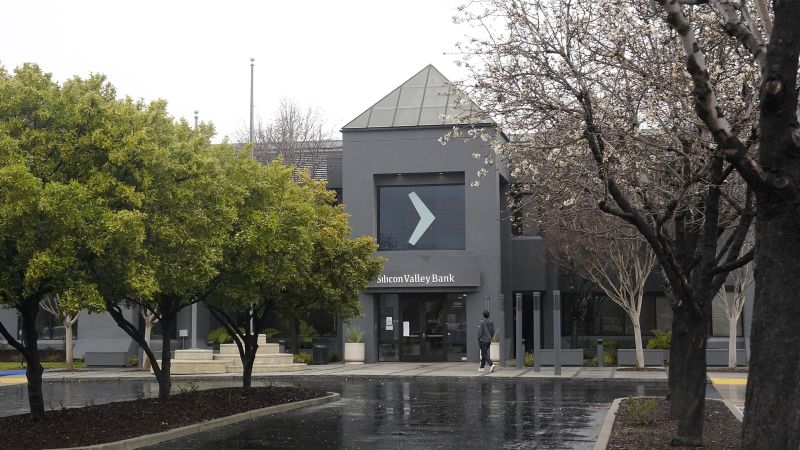
Let’s keep it 100: when the big dogs in high-finance mess up, it's always the people on the ground who get squeezed the hardest. On March 10, Silicon Valley Bank took a massive L, collapsing in a single day after depositors panicked and snatched $42 billion out of the bank. SVB was the 16th largest bank in America, but for Black, Brown, and immigrant business owners, it was one of the very few institutions that would actually take a meeting and fund their dreams. Now that it’s gone, the hustle just got ten times harder.
As soon as the bank run popped off, Arlan Hamilton, the 43-year-old boss of Backstage Capital, had to step in and help founders of color secure payroll money so their workers didn’t get left high and dry. Hamilton’s been in the game for nearly ten years, and she didn’t sugarcoat the situation. She said minority founders are already living in "the smaller house" with the "rickety door and the thinner walls." When the economic storm hits, those thin walls get blown away first. It’s the same old story: when America catches a cold, the community catches pneumonia.
SVB wasn't just another faceless building; they actually put money into the culture. They sponsored minority tech events and funded the annual State of Black Venture Report created by the nonprofit BLK VC. Joynicole Martinez, a 25-year entrepreneur from Rising Tide Capital and a member of the Forbes Coaches Council, laid it out plain: "When other banks were saying no, SVB would say yes." They gave discounted tech tools and research money to folks who couldn’t even get a foot in the door at regular commercial banks.
The data shows this isn’t just talk—the system has been rigged against minority businesses for decades. According to the Federal Reserve’s 2021 Small Business Credit Survey, only 16% of Black-led companies got the full funding they asked for from banks, while White-owned businesses got approved at more than double that rate (35%). Martinez called it what it is: "historic, systemic, and just blatant racism" in the banking industry. SVB was one of the few places trying to bridge that gap, and its sudden death is a major setback.
Immigrant founders are feeling the burn too. Asya Bradley, who started the financial services company Kinley to help Black folks build generational wealth, said she had to join a WhatsApp group with over 1,000 other immigrant business owners just to figure out their next move. These are people trying to build something from nothing, but the traditional banking system doesn't even recognize them because they don't have Social Security numbers or permanent U.S. addresses. SVB was willing to work with them, but now that bridge is burnt.
At the end of the day, the SVB collapse shows that relying on corporate giants to look out for us is a losing bet. When the elite panic and run with their bags, the minority and immigrant hustlers are left holding the empty box. The community is going to have to do what it’s always done: pool our resources, organize on the ground, and keep pushing forward despite a system that was never built for us to win.
Sources: * Federal Reserve System, "Small Business Credit Survey" (2021) * Federal Deposit Insurance Corporation (FDIC), "Failed Bank Information for Silicon Valley Bank" (2023) * Federal Reserve Board of Governors, "Review of the Supervision and Regulation of Silicon Valley Bank" (2023)