UN Puts Hald on Strait of Hormuz Rescue After Cargo Ship Gets Hit Near Oman
Over 11,000 sailors are still trapped in the Gulf because the UN hit the pause button the second a ship took a hit.
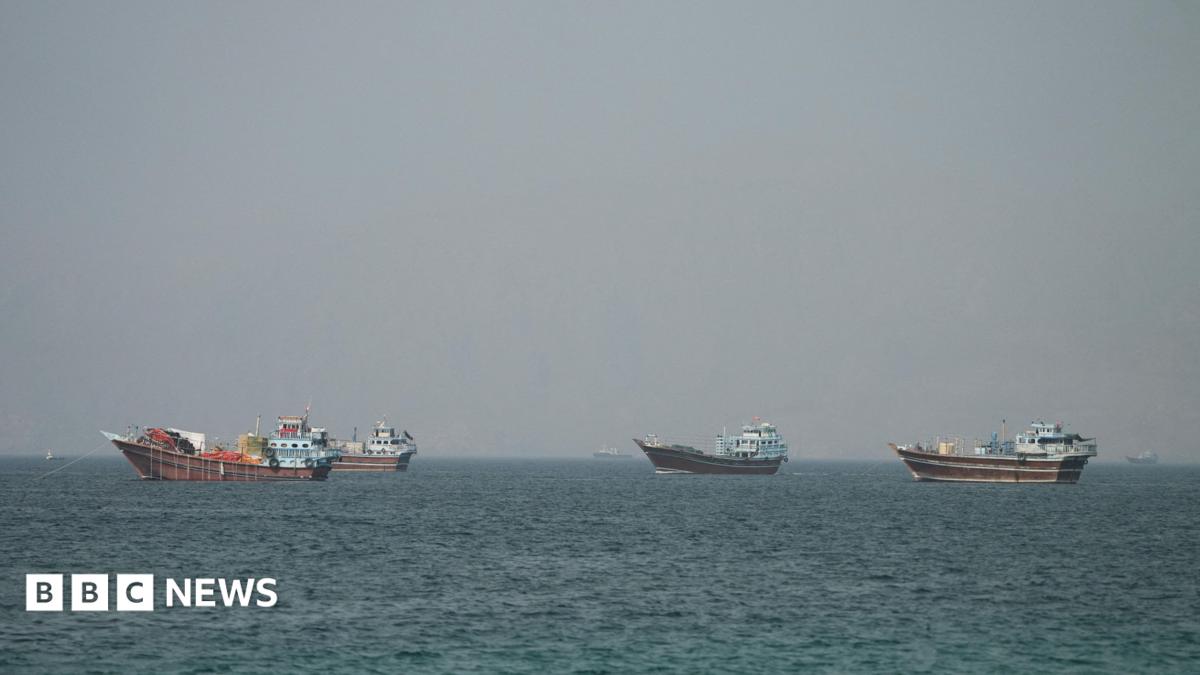
The UN just put the brakes on their big plan to rescue over 11,000 sailors trapped out in the Strait of Hormuz. These working crews have been stuck out in the Gulf since February because of the US-Israel war against Iran, and just when it looked like they were finally about to get a way out, the UN’s International Maritime Organization (IMO) shut the whole operation down because a cargo ship got hit by some random projectile on Thursday.
According to the UKMTO, which watches these waters, a Singapore-flagged ship called the Ever Lovely was passing about 7.5 miles off the coast of Oman when something hit it. Nobody got hurt, and the ship didn't even stop to ask for help—they just kept it moving and got out of the strait by the afternoon. But even though the crew handled their business, the UN bosses immediately panicked and stopped the whole rescue mission for everyone else.
This evacuation plan was only announced on Tuesday, and it was supposed to be this huge deal where the US, Iran, Oman, and the shipping companies all agreed to play nice. But the head of the IMO, Arsenio Dominguez, said they gotta make sure they have "necessary safety guarantees" before they start moving boats again. He made sure to tell everyone that the ship that got hit wasn't actually part of their official rescue line, but they're still pausing everything until they get "clarity."
Meanwhile, you got 11,000 regular working people just sitting out on the water, caught in the middle of a beef between major governments. They've been stranded for months because when the fighting started back in February, Iran locked down the strait. That shut down oil, gas, and fertilizer shipments, which basically messed up prices for regular people all over the world.
Now, the politicians are trying to play semantic games with the money. Just last week, the US and Iran signed a 14-point deal to stop fighting and let ships pass for free for 60 days. But now Tehran is trying to slide in a hustle, saying they aren't charging "tolls," they're just charging "maritime service fees" to cross the water. It’s the same tax, just with a different name on the invoice.
Secretary of State Marco Rubio is out in Bahrain right now trying to deal with this mess, and he already warned them that nobody is allowed to charge tolls in an international waterway. But while the suit-and-tie crowd is arguing over what to call the fees, the actual workers on these ships are the ones sitting in a live fire zone waiting for the green light.
There’s real money on the line here, too. Since the US and Iran signed a memo on June 17 to start negotiating on Tehran’s nuclear program, oil prices have been dropping fast. On Thursday morning, the price of a barrel briefly fell below $72.48—which was the exact price before the war started—before going back up to $73.23 once news of the attack got out.
At the end of the day, the regular people are the ones getting squeezed. The shipping crews are stuck on the water, global prices are bouncing around, and the UN is sitting on its hands waiting for a guarantee of safety that might never come. Until these governments stop playing games with the terms of their deals, those 11,000 sailors are just going to be sitting ducks.
Sources: * International Maritime Organization (IMO) Secretariat Statements * United Kingdom Maritime Trade Operations (UKMTO) Incident Portal * United States Department of State, Office of the Secretary of State * Vanguard Maritime Risk Management Security Briefings