They Using Microwave Lasers and Fracking to Tap Unlimited Power Under Our Feet, and Both Parties Are Down
Politicians are teaming up to fund advanced geothermal energy that melts underground rock to keep the lights on.
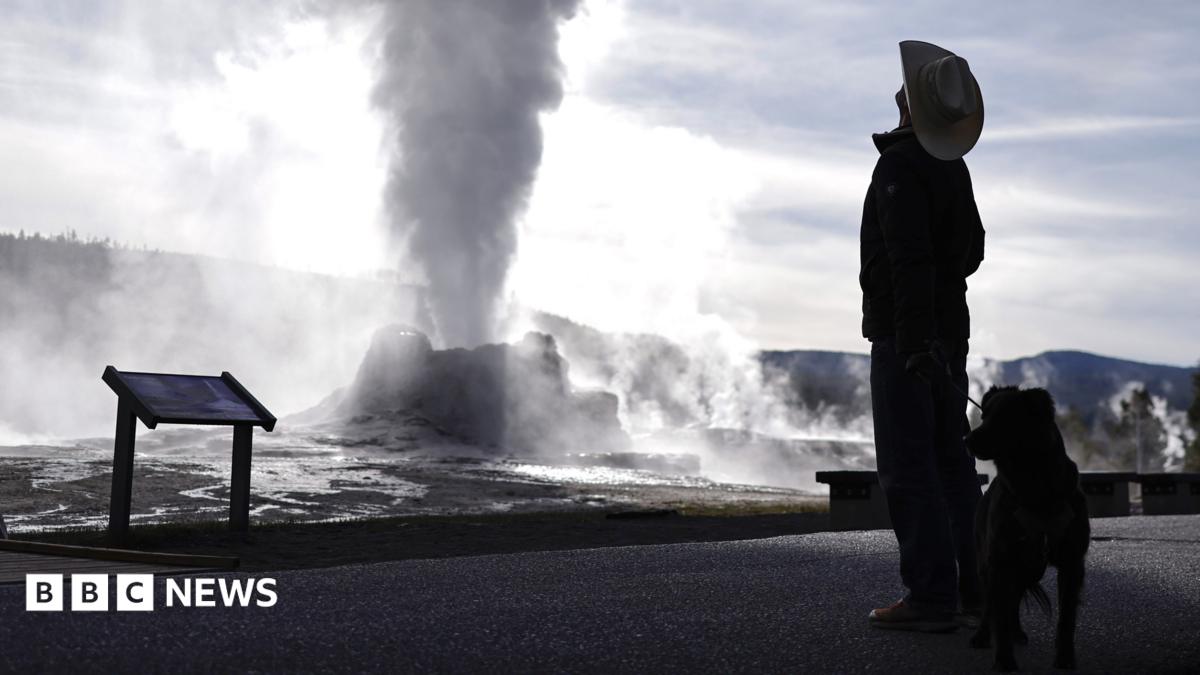
It is rare to see Democrats and Republicans shaking hands on anything these days, but they are finally on the same page about one thing: geothermal energy. That is the energy we get from the natural heat trapped deep in the dirt. The new tech coming out is designed to go deeper and hotter than ever before, and politicians are eating it up. The left likes it because it does not mess up the air with carbon, and the right likes it because it keeps the US energy independent using the same drilling skills our workers already have.
Things are moving fast. Back in April, senators from both sides of the aisle introduced the Next-Generation Geothermal Research and Development Act. This bill basically tells the Department of Energy to throw cash and support behind getting this new tech off the ground and into the real world. At the same time, some states are trying to cut through the red tape and fast-track the permits so companies can start drilling ASAP.
One of the main methods they are pushing is called Enhanced Geothermal Systems (EGS). To get down there, they pump high-pressure liquid deep into the ground to crack the rock open, then suck up the hot steam and water from another well to generate power. If that sounds familiar, it is because it is the exact same hydraulic fracturing tech—otherwise known as fracking—that caused all those massive arguments in the oil and gas industry.
Gernot Wagner, a climate economist over at Columbia Business School, keeps it 100 about the situation. He says it is the exact same techniques and mostly the same industry. But he also points out that from a climate perspective, this is a whole different ballgame. Even though fracturing the ground can trigger some minor earthquakes, Wagner says having an always-on, high-capacity clean energy source is worth the risk. He says moving fast toward geothermal is "all good news."
But getting that deep heat is not cheap or easy. When you try to drill through super-hard rock at crazy high temperatures, regular metal drill bits get torn to shreds. That means workers have to constantly stop and replace them, which burns through time and money. Some wild new startups are trying to fix this by shooting projectiles at the rock at several times the speed of sound to smash it open.
Then you got Quaise, a company that started out of MIT. They are literally using millimeter-wave drilling—basically shooting high-powered microwave beams into the earth to melt and vaporize the rock. Harry Kelso, the communications manager at Quaise, explains that regular geothermal only works in places with natural hot spots, but this wave-drilling tech lets you get to super-hot energy anywhere on the block.
Right now, Quaise is setting up a project in Oregon. Kelso says they are going to start with normal drills to get through the easy stuff, but once they hit that rock-hard layer that ruins normal drill bits, they are switching to the microwave beam. No physical drill bit means no stopping to fix broken parts, which is a major game-changer for the budget.
But we got to talk about the water, too. This whole setup takes a massive amount of water to get started, which has people worried about polluting local water supplies or drying them out. Kelso admits that Quaise’s system needs a whole lot of water at the start, but says if you design the system right, you can avoid the mess. If they play their cards right, this could keep the grid running without destroying the neighborhood.
Sources: * U.S. Senate Committee on Energy and Natural Resources (senate.gov) * Columbia Business School (business.columbia.edu) * Massachusetts Institute of Technology (mit.edu) * U.S. Department of Energy (energy.gov)