They Tried to Mute the Culture: Singapore's Massive Fight Over the Film 'Dear You'
The government tried to force a Mandarin dub on a classic Teochew story, but the streets showed up and bought out every single ticket in minutes.
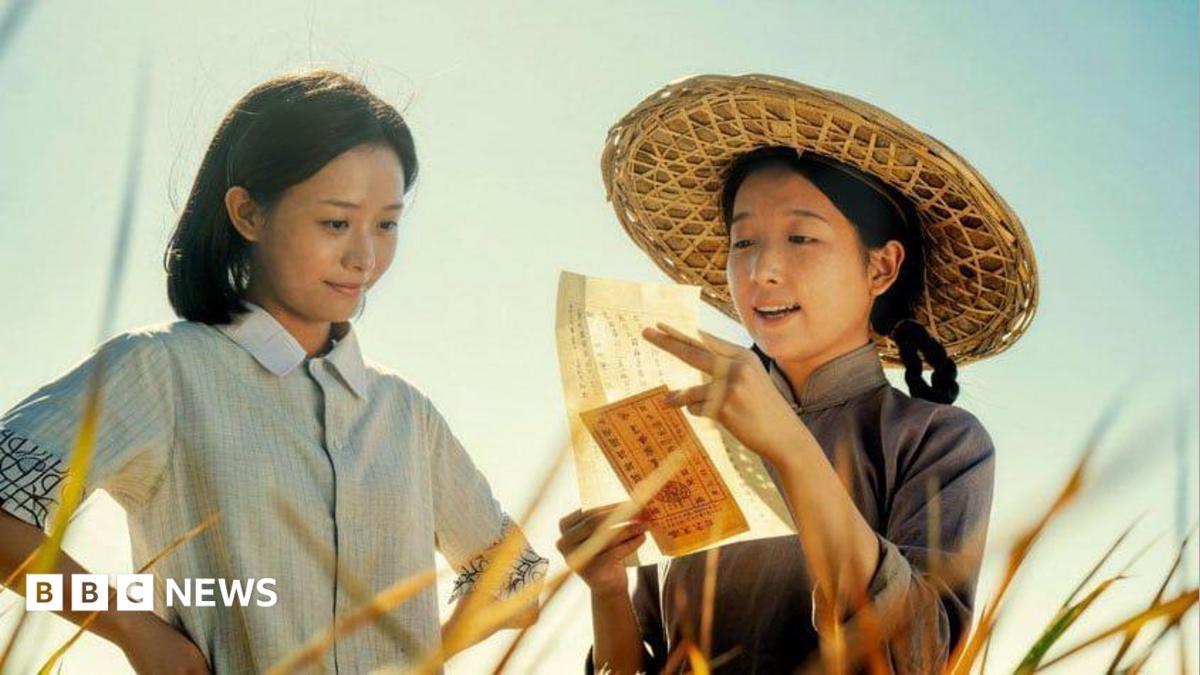
A little indie movie called Dear You is making major noise right now, and it just sparked a huge debate about identity and heritage in Singapore. The movie was filmed almost entirely in Teochew, which is the native tongue for a lot of the older generation of Chinese folks in Southeast Asia. But when the movie finally hit Singapore theaters this month, people were mad to find out that most of the screenings were dubbed in Mandarin—which is the official language the government has been pushing on everyone for decades.
People weren't having it. They wanted the raw, authentic version, not some clean-cut, state-approved dub. A church worker named Wu Silin and her mom had to hustle just to snag tickets to one of only eight special screenings in the original Teochew language. Those tickets sold out in less than two hours. Wu Silin kept it real, saying, "Being Teochew, watching it in Teochew makes it even more special." It's all about keeping that direct connection to where you come from.
This whole situation exposed the damage done by the government's long-standing push to make everyone speak Mandarin instead of their actual family languages, which the state dismisses as "dialects." They've been trying to clean up and standardize the culture for so long that languages like Teochew, Hokkien, Cantonese, and Hakka are practically dying out. But this movie proved that the people still want their real culture, no matter how much the suits try to phase it out.
The demand was so crazy that people were literally making plans to travel across the border to Malaysia just to watch the movie in Teochew without the government-mandated dubs. Realizing they messed up, Singapore's Ministry of Information had to put out a statement on Monday saying, "We hear the calls for dialect films to be more freely screened in cinemas," and promising to "take a more flexible approach." They put another 5,000 tickets on sale, and those vanished in under two hours too. By Thursday, they had to approve 50 more Teochew screenings.
Even people who don't even speak the language wanted to see the original cut. Anna Zhang, a 35-year-old from Beijing who moved to Singapore for work, went to see the Teochew version with subtitles. She said it's all about the original energy of the film. "I think sometimes it's just the vibe," Zhang said. "I'm not saying these translated versions are not good, but I do feel there is a bit of difference … It doesn't feel like this is coming from the original character."
What's beautiful is that this movie isn't some big-budget corporate project. It was made on a small budget with rookie actors, telling a real, grounded story about a young guy from a southern Chinese village who goes to Thailand to find his grandfather. The grandfather fled his village back in 1948 to avoid getting drafted into a civil war, ended up working as a trishaw rider in 1950s Thailand, and lived in a hostel while sending letters full of love back home to his family.
This story goes straight to the roots of the millions of migrants who took dangerous boat journeys to Southeast Asia back in the day. The government tried to paint over that history with a standardized language policy, but the community just showed everyone that you can't erase the culture of the streets.