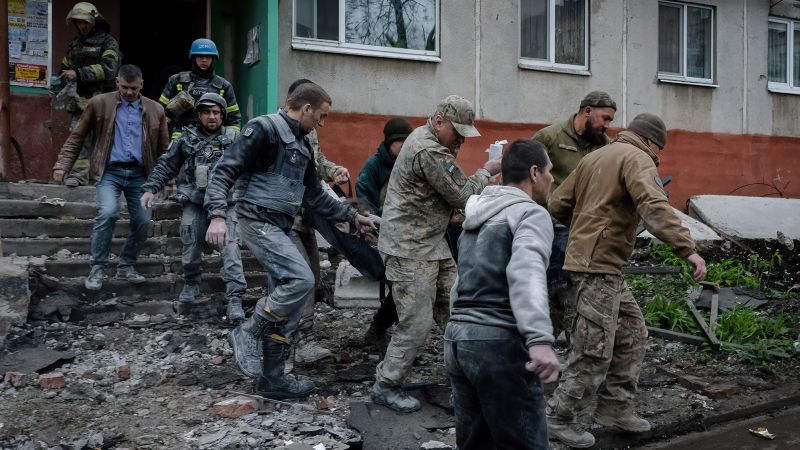
They Did 'Em Dirty: Dutch Government Finally Apologizes After 75 Years of Disrespecting Moluccan Veterans
Moluccan soldiers stood on business for the Dutch, but got stripped of their ranks, banned from working, and thrown into a former Nazi camp when they touched down in 1951.
Let’s keep it 100: the Dutch government played one of the dirtiest hands in history, and they’re just now trying to clean it up. Back in 1951, around 12,500 Moluccan soldiers and their families came to the Netherlands. These guys weren’t tourists—they were loyal soldiers who fought in the colonial army, and they came over under direct military orders. They thought they were staying for a quick six months before heading back to their own new republic. Instead, the minute they stepped off the boat, the state stripped them of their ranks, banned them from getting jobs, took away their right to vote, and locked them down in Westerbork—which was literally a former Nazi transit camp.
Fast forward to today, and Dutch PM Rob Jetten finally showed up at the Rotterdam harbor to say sorry for the 'heartless' and 'dishonourable' treatment these families endured. He admitted they were left unseen, abandoned, and housed in terrible conditions. But let’s be real—words are cheap when you’ve let people live in silent sorrow for over seven decades. The government basically ghosted these veterans, leaving some of them so stressed they never even unpacked their suitcases, holding onto a dream of a home country that never came.
When you push people to the edge, they’re going to push back. By the 1970s, the younger generation of Moluccans had enough of the disrespect. They stood on business, pulling off major moves like a school hostage-taking and a train hijack to make the government pay attention. The state responded the only way empires know how—with a bloody raid by special forces. They eventually tried to quiet things down in 1986 with some cultural funding and jobs programs, but they still refused to look these families in the eye and admit they did them dirty.
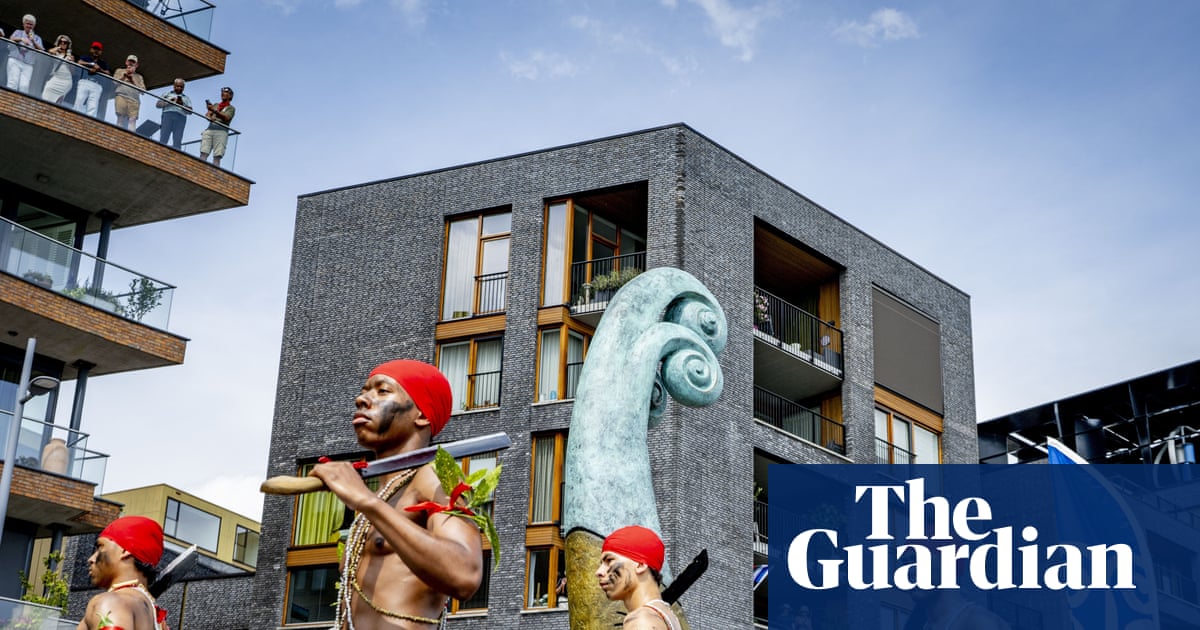
Now they’re trying to act like they’re part of the team. The community spent ten long years grinding to build their own monument on the Rotterdam waterfront, right where the last boat landed. Designed by artists Jaïr Pattipeilohy and Maurice den Boer, the monument looks like the front of a traditional ship. It was entirely crowdfunded by the people, not the state. But as soon as the monument is ready, the government gatecrashes the opening so the PM can give a speech and look good on camera.
Yordi Tahamata, the head of the monument foundation, spoke representing his grandfather’s struggle. He made it clear that this monument is about the community's right to tell their own raw history and pass the truth down to the next generation, no cap. Even the Mayor of Rotterdam, Carola Schouten, had to admit that the state treated these loyal allies with coldness, and that their loyalty carried a heavy, painful price.