Straight Outta High School and Into the Cleanroom: The Real Truth Behind the Chip Game
Corporations are hyping up these semiconductor factory gigs to high schoolers like they're handing out golden tickets, but the street-level reality is a whole different grind.
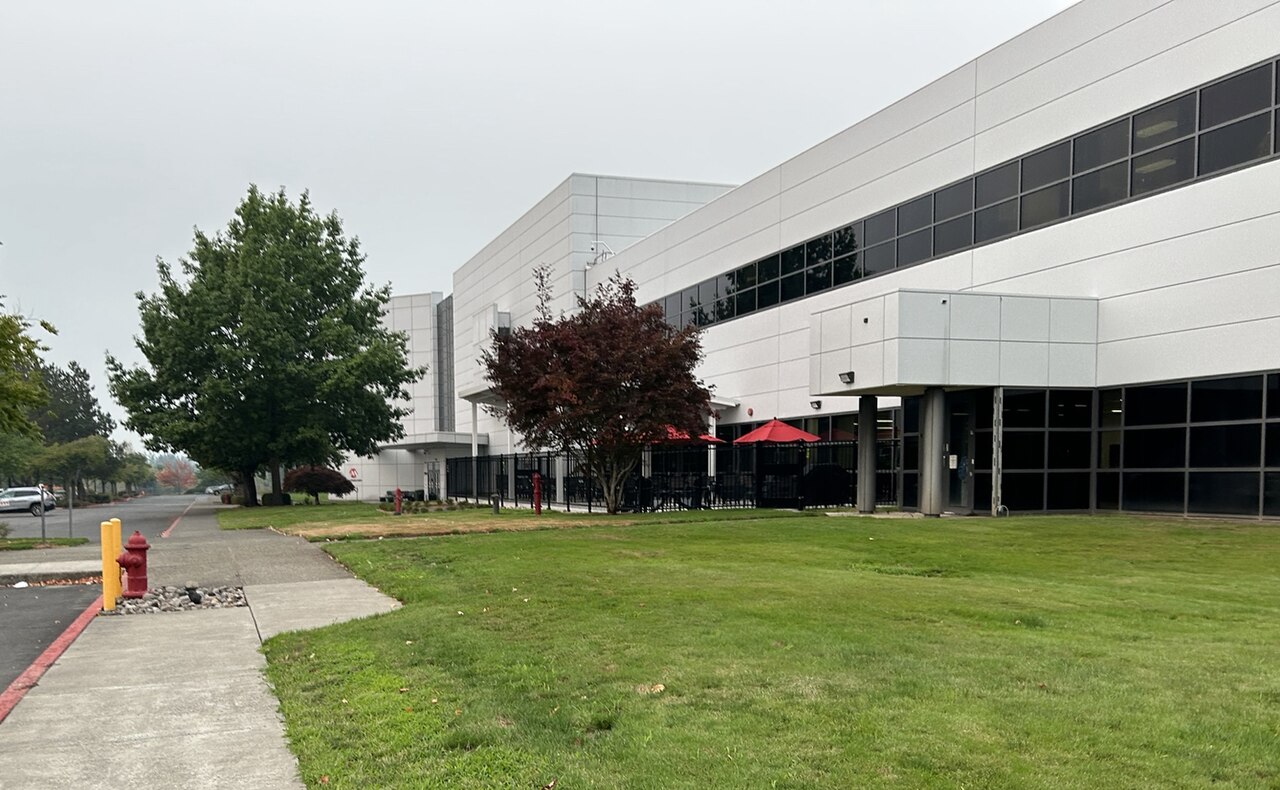
The streets are talking, and right now everybody is looking at the tech game like it's the ultimate come-up. Thanks to this massive AI boom, memory-chip profits are hitting crazy new heights, and now these big-time corporations are looking at high school kids like they're the next batch of fresh labor. They're setting up these direct pipelines from the classroom to the factory floor, promising young heads a fast track to big money. But if you know how the system works, you know you gotta read the fine print before you sign your life away.
Let’s keep it a hundred: for a kid from a working-class neighborhood, skipping college and going straight to earning a real paycheck sounds like a dream. No massive student loans, no wasting years studying stuff that won't pay the bills—just straight to the bag. The corporate recruiters know exactly how to play this, showing off shiny factories and talking about 'chip-making fortunes' to make it look like a golden ticket.
But once you step inside that factory, the hype disappears real quick. You're locked in a bunny suit, working long, grueling shifts under fluorescent lights, doing the same repetitive motion over and over again. It’s a factory grind, plain and simple, no matter how much tech branding they slap on the outside of the building. They want your peak years, your energy, and your absolute focus, all to keep their billion-dollar machines running twenty-four-seven.
And here is the real kicker: that tech money is never guaranteed. The chip business is notorious for going up and down. One minute they need every hand on deck because the AI market is booming, and the next minute the market cools down, the warehouse is full, and they start cutting heads. When those corporate suits decide to downsize to keep their stock prices high, the young kids who walked straight in from high school are going to be the first ones shown the door.
What happens to you then? You spent your youth learning how to operate one specific machine in a sterile room, and those skills don't mean nothing when you're trying to find a job somewhere else. You're left with a hyper-specialized resume and no backup plan, while the executives who made billions off your labor are sitting pretty on their yachts.
It’s the same old story we've seen in every industrial town since day one. The corporations find a new gold rush, they exploit the youth for cheap labor, and then they leave the community high and dry when they find a cheaper way to do it. And with AI getting smarter every day, you know they're working on automation that's going to replace these exact factory jobs sooner rather than later.
If we're going to keep it real, these vocational programs need to stop acting like corporate recruiters and start looking out for the kids. They need to teach these students actual transferable skills, business sense, and financial literacy so they don't get trapped in a cycle of corporate dependency.
At the end of the day, getting that early bag is cool, but you gotta play the long game. Don't let the corporate hype blind you to the reality of the hustle. The AI boom might be printing money for the bosses, but for the kids on the factory floor, the grind is real, the risks are high, and the game is strictly business.
Sources: * International Labour Organization (ilo.org) * Korea Labour Institute (kli.re.kr) * South Korea Ministry of Education (moe.go.kr)