SCOTUS Flips the Script: High Court Says States Can’t Stop You From Packing on Private Property No More
In a major 6-3 decision, the Supreme Court just cleared out restrictive gun laws in five states, leaving store owners in a tricky spot.
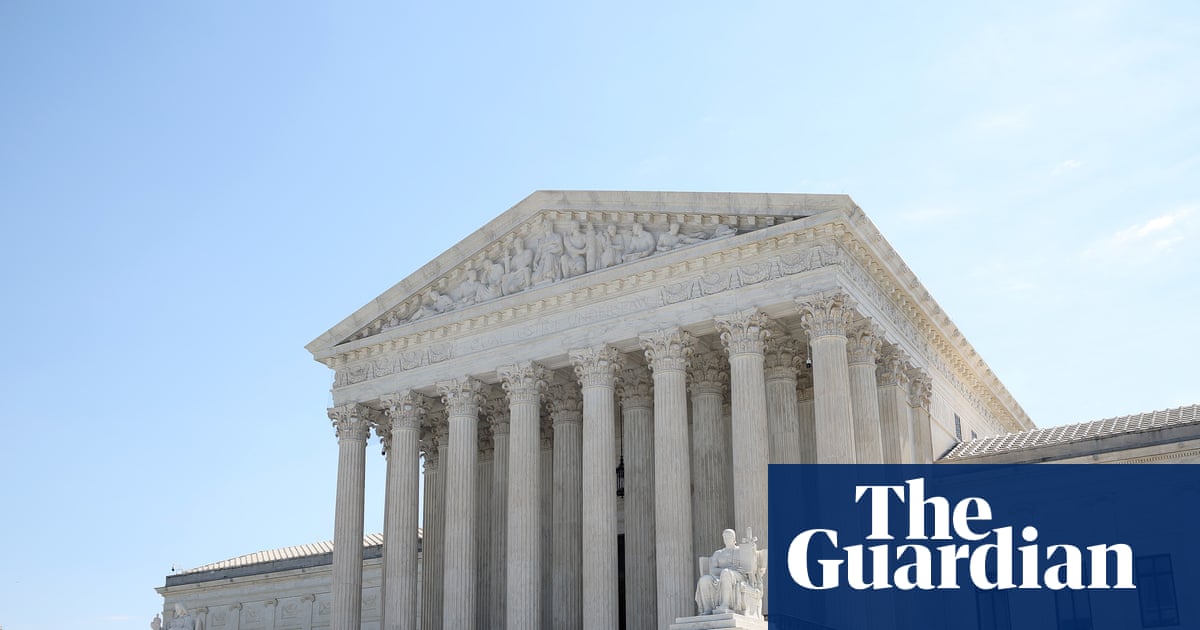
The Supreme Court just came down with a massive ruling on Thursday, and it’s completely flipping the script on how gun laws work on private property. In a 6-3 split decision for Wolford v. Lopez, the high court struck down a Hawaii law that said you couldn’t carry a gun onto private property unless you had express permission from the owner. This is a huge deal, and it’s sending shockwaves all the way from Honolulu to the East Coast.
Before this ruling, five states had these strict laws on the books: Hawaii, California, Maryland, New York, and New Jersey. In those places, you were automatically banned from bringing a strap onto someone else's property unless they specifically told you it was cool. But the Supreme Court just declared all of those state laws void. The old rules are officially out the window.
Here’s how the default rule flipped: before, the law assumed guns were banned on private property unless the owner said yes. Now, the new default is that guns are permitted on private property unless the owner explicitly says no. If a homeowner or a business owner doesn't want guns on their premises, they still have the right to ban them. But the state can’t set a blanket ban for them anymore—the owner has to make the call themselves.
Now, this is putting a lot of business owners, like people running local hardware stores or malls, in a real tight spot. Jeffrey Fagan, a law professor over at Columbia Law School, pointed out that this ruling is putting an “extraordinary burden” on private property owners. Since the rules just got flipped, business owners are going to have to take new steps and explicitly state where they stand. If they put up a sign banning guns, they risk alienating customers who want to carry. If they don't, they risk alienating people who don't want to be around firearms.
On the other side of things, gun rights groups are celebrating this as a major victory. They’re calling it a massive step toward knocking down other restrictions that don't line up with the laws from back when the country was founded. Meanwhile, gun control and gun violence groups are calling the decision dangerous, saying the court is putting the rights of gun owners over the safety of the public.
But don't get it twisted—this doesn't mean it’s a free-for-all everywhere. Hayley Lawrence, who runs the Center for Firearms Law at Duke Law School, made it clear that this ruling has no bearing on sensitive public places like schools, libraries, and parks. Local governments can still ban guns in those places, and that’s still the status quo. The state just can't set the default rule for private property.