SCOTUS Ain’t Playing: Big Decisions on Deportations, Monsanto Poison, and Strapping Up
The Supreme Court just greenlit deportations for refugees, let a billion-dollar company off the hook for cancer, and threw out a strict gun law.

The Supreme Court was busy on Thursday, handing down some major rulings that are gonna shake things up in the streets and across the country. They cleared the way for the Trump administration to cancel deportation protections for thousands of Haitian and Syrian refugees, ruled that corporate giant Monsanto can’t be sued over its cancer-linked Roundup weedkiller, and threw out Hawaii’s strict gun control laws. To break down what this actually means for real people, SCOTUSblog co-founder Amy Howe hopped on with Geoff Bennett to explain the situation.
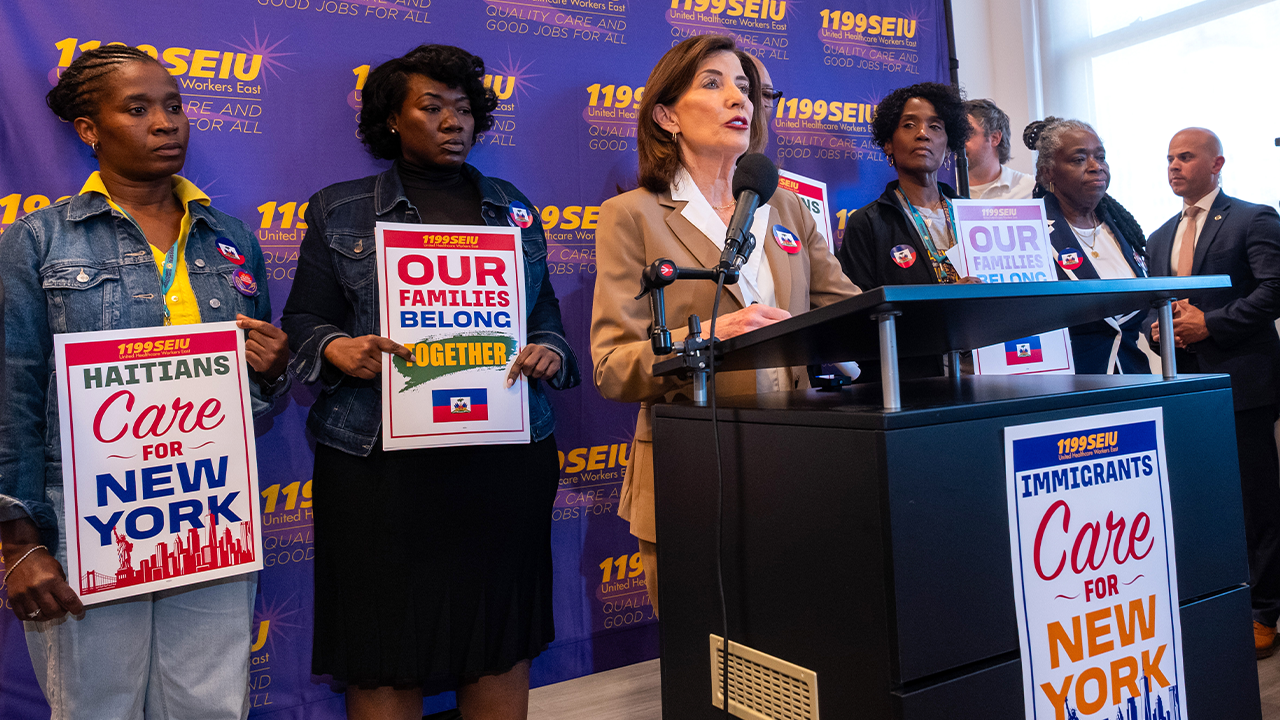
First off, they did the immigrant community dirty. The high court gave the green light to end Temporary Protected Status (TPS) for folks who fled crazy wars and disasters in Haiti and Syria. These are families who have been living here, working hard, and trying to build a life away from the chaos back home. Now, the government can basically tell them their time is up and pack them off, even though things are still incredibly dangerous back in their homelands.
It’s a cold move that shows how the system doesn't care about humanitarian crises when it wants to play politics with people's lives. Instead of protecting vulnerable people, the Court ruled that the administration has the ultimate say-so on who gets to stay and who gets booted, leaving thousands of families stressed out and facing a really uncertain future.
Then, the Court looked out for corporate America by letting Monsanto off the hook. Folks have been taking the chemical giant to court for years, claiming their weedkiller Roundup gave them cancer. But the justices ruled that Monsanto can’t be held liable in these lawsuits because the federal government’s EPA approved their labels. Basically, they used federal red tape to shield a massive corporation from paying damages to regular people who got sick.
It’s the same old story: big money wins and the working class gets the short end of the stick. When corporate giants can use government regulations as a shield to avoid taking responsibility for poisoning people, you know the game is rigged. The ruling basically tells everyday folks that their health comes second to corporate profits.
But it wasn't all bad news depending on who you ask, especially if you’re big on the Second Amendment. The Court also struck down a Hawaii law that made it almost impossible for regular citizens to get a license to carry a gun in public. The state was basically gatekeeping the right to bear arms, making people prove they had some kind of special emergency before letting them strap up.
The Court said that’s a wrap on that unconstitutional system. They made it clear that the right to protect yourself isn't something you have to beg the government for. While some people are worried this means more guns on the streets, others in the community know that restrictive gun laws usually just end up disarming law-abiding folks while the criminals keep carrying anyway.
Talking to Geoff Bennett, SCOTUSblog co-founder Amy Howe broke down how these three rulings show exactly where this conservative court is heading. They’re flexing their muscles to back up executive power on immigration, protect big business from lawsuits, and make sure the Second Amendment is respected nationwide.
At the end of the day, these decisions show exactly how the high court's rulings impact everyday life in the neighborhood. Whether it’s sending refugees back to danger, protecting corporate cash, or letting citizens carry their tools, the Supreme Court is calling the shots and changing the rules of the game.
Sources: * Supreme Court of the United States (supremecourt.gov) * Department of Homeland Security (dhs.gov) * Environmental Protection Agency (epa.gov) * United States Court of Appeals for the Ninth Circuit (ca9.uscourts.gov)