Sacramento Back At It: California Slaps Trump Administration with Lawsuit No. 55 Over Car Rules
The state is heated because the feds are trying to let Congress block California's expensive-ass vehicle and lawnmower mandates.
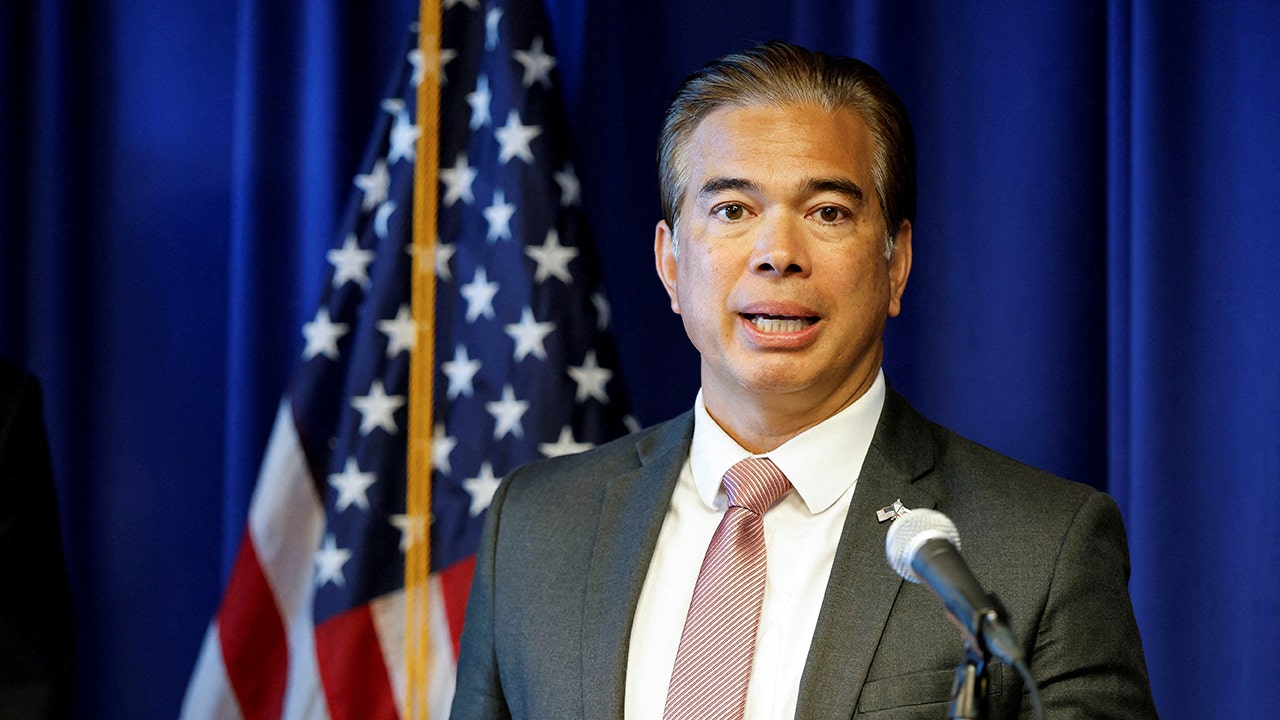
Man, California and the federal government are back at it again, and nobody is surprised. On Monday, California Attorney General Rob Bonta officially filed the state’s 55th lawsuit against the Trump administration. This latest beef is all about who gets to control what kind of cars and lawnmowers we’re allowed to buy. Sacramento wants to keep pushing their super-strict emissions rules, but the Trump EPA is trying to let Congress step in and shut those rules down, which has California politicians completely stressed out.
Here’s what’s really going down: earlier this month, the EPA decided to submit four of California’s special emissions waivers to Congress. These waivers let California set much tougher rules on car exhaust and lawn equipment than the rest of the country. By sending these to Congress under the Congressional Review Act (CRA), the Trump administration is basically handing lawmakers a giant eraser to wipe out California’s rules. The EPA didn't want to comment on the lawsuit, but they previously said they’re trying to "promote consumer choice" and make sure there are "affordable vehicles for all Americans."
But California isn't trying to hear any of that. Bonta and the state are arguing that the EPA is pulling a fast one and breaking the law. They claim these waivers are supposed to be treated as "adjudicatory orders"—which are basically permanent green lights—and not "rules" that Congress can just vote to throw away whenever they feel like it.
In the lawsuit, California’s lawyers got real sassy, saying, "No agency has the power to wave a magic wand and transform an action that was finalized as an adjudicatory order into a rule..." Basically, Sacramento is saying the EPA is trying to change the rules of the game in the fourth quarter without telling anybody, and they want the courts to put a stop to it.
This isn't just a local issue, either. Under the Clean Air Act, California has always had the power to set tougher rules, and a bunch of other states usually copy whatever California does. That means when California makes a rule, it basically changes the whole car market for everyone. If the feds take away that power, it's going to affect drivers all over the country who are already struggling to deal with the rising costs of everything.
This whole fight is just the latest round of a long-running war. Last year, Trump and his crew in Congress used this same CRA tool to trash California's mandates on electric vehicles and diesel engines. California already sued over that, too. With this new lawsuit, California is trying to keep the feds from doing the exact same thing to their other emissions rules.
For regular people just trying to make it, this political chess match has real-world consequences. If California wins, they keep their power, but it also means they can keep pushing expensive EV mandates that make buying a car harder for working-class families. If the Trump EPA wins, it might keep car prices down, but it also means the feds can easily swoop in and kill off any environmental rules they don't like, leaving people to breathe in whatever fumes the car companies want to put out.
The big car manufacturers are staying quiet and staying out of the way. The Alliance for Automotive Innovation didn't hit back with a comment, probably because they're tired of getting caught in the crossfire of this endless back-and-forth between Sacramento and D.C.
We're going to have to wait and see how this plays out in court. But one thing is for sure—with 55 lawsuits and counting, California is going to keep fighting the feds tooth and nail, while regular folks are just trying to figure out how they're going to afford their next ride.
Sources: * Office of the Attorney General, State of California * United States Environmental Protection Agency * U.S. Government Publishing Office (Congressional Review Act, 5 U.S.C. §§ 801-808)