Rubio Pulls Up to the Gulf Trying to Lock Down the Strait of Hormuz, But Iran Is Already Calling Cap
The Secretary of State is trying to tell the homies in the UAE that Iran won't be taxing the block, but the receipts say otherwise.
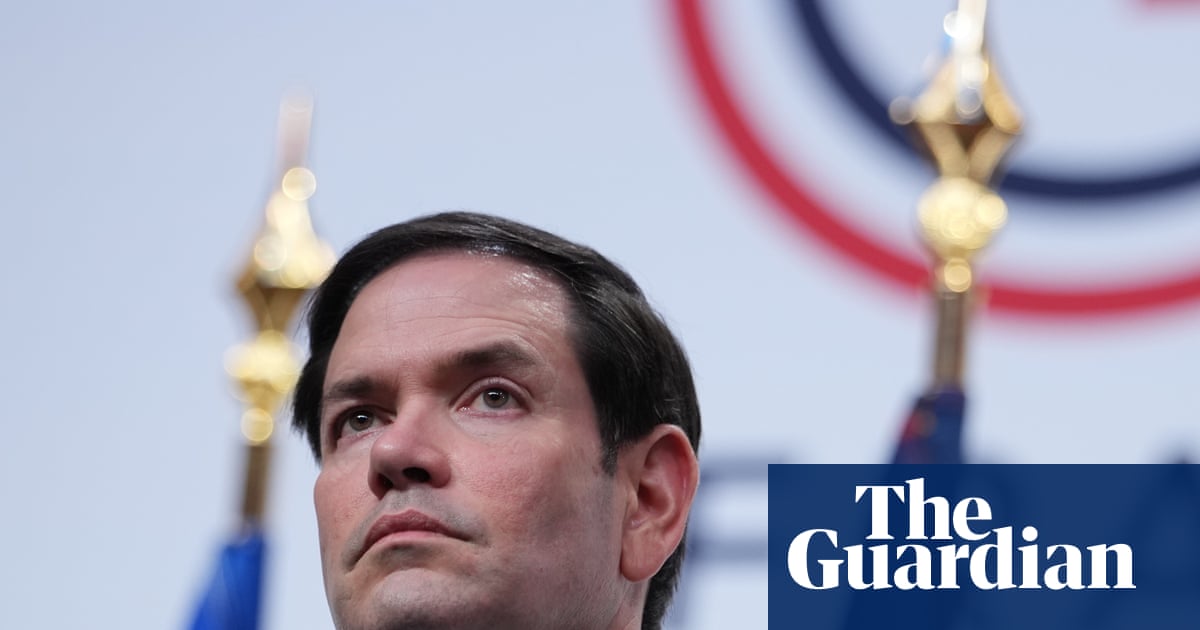
U.S. Secretary of State Marco Rubio just touched down in Abu Dhabi, and he’s already got his work cut out for him. Fresh off his flight from the G7 summit last week, Rubio is hitting up the UAE, Kuwait, and Bahrain to do some major damage control. See, the U.S. just signed a shaky 60-day ceasefire deal with Iran last week, and now the allies in the Gulf are stressed out. They’re worried Washington is playing them, and that this new deal is just going to make Tehran even bolder than before.
The biggest argument right now is over the Strait of Hormuz—the main highway where all the oil and cargo ships gotta pass through. Iran’s been talking big, saying they have the right to charge tolls and tax the ships passing through. But as soon as Rubio got to Abu Dhabi on Tuesday, he tried to shut that noise down real quick. He made it clear that nobody is allowed to charge fees on an international waterway, no cap.
"It’s an international waterway," Rubio told everyone. "No country is allowed to charge tolls or fees on an international waterway. That’s existing international law. That’s the way it is in international waterways all over the world, and that’s the way we expect it’ll be here." Rubio’s acting like this is an easy win, saying he doesn’t think he has to convince anyone in the region because all the neighboring countries already agree with the U.S. position.
But if you look at the actual fine print of this deal, it’s looking real messy. The ceasefire agreement signed last week says shipping is toll-free for 60 days. But after that? The paper says Iran and Oman are supposed to sit down and discuss the "future administration and maritime services" of the strait. The text even mentions the "sovereign rights of coastal states." People who study this stuff are pointing out the obvious: the deal doesn't actually stop Iran from hitting up ships for money once those 60 days are up. It looks like the U.S. left a major loophole.
And that’s exactly why the Gulf allies are tight. While Qatar is cool with it since they helped mediate the deal, the UAE, Kuwait, and Bahrain are not having it. They are heated because they know this deal involves unfreezing Iran's bags of cash. They're convinced that instead of helping their people, Iran is just going to take those released assets and buy more heat for their military. The allies want it in writing that there won't be any tolls, and they want some real limits placed on Iran’s ballistic missile program.
But Iran’s President, Masoud Pezeshkian, shut that down immediately on Tuesday. He came out and said their missile program is "never" going to be part of any deal. He basically said if they didn't have their missiles for self-defense, they’d be sitting ducks against Israel. So while J.D. Vance is back home hyping up these peace talks, Iran is making it clear they aren't giving up their heavy artillery.