Real Talk on the Block: When Washington Cuts the Bag, Kids in Nepal Pay the Price
A massive new health survey shows how cutting USAID funding stopped the door-to-door hustle, leaving families stranded even when the food is sitting on the shelves.
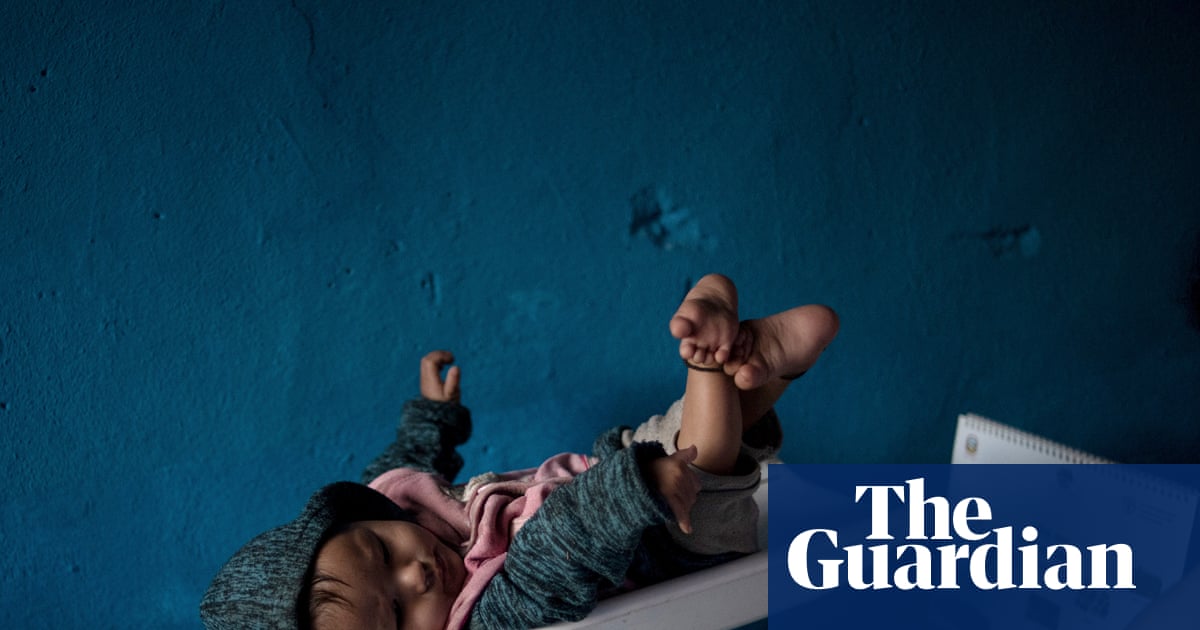
Let’s keep it a hundred: when politicians in Washington start playing games with federal budgets, it’s always the poorest people on the ground who get hurt. Out in Nepal, child malnutrition has officially hit "alarming" levels. Why? Because the US government shut down USAID back in 2025 and completely cut the bag for nutrition programs. Now, just over a year later, the block is feeling the burn, and a massive new health survey has exposed how bad things have gotten.
For years, Nepal was actually winning the fight against child mortality. Between 1996 and 2022, they managed to cut under-five death rates by a massive 72%. It was a serious hustle that saved countless lives. But that entire system was built on foreign funding, and the second the Trump administration closed USAID, the rug got pulled out from under them.
In May, the government ran its biggest screening ever, checking over one million kids under five. The data they brought back is a straight-up emergency. Nationally, 7.8% of the kids are suffering from wasting (being way too thin for their height), and 17.4% are underweight. Down in Madhesh province, near the Indian border, wasting hit 12.3%—which is way past the World Health Organization’s emergency line of 10%—and nearly a quarter of the kids there are underweight.
Pooja Pandey Rana, the country director for Helen Keller International, dropped some real talk on how dangerous this is: "If you are malnourished, your risk of dying, compared to a child who is not malnourished, is 12 times higher." She also warned that they only screened about half the kids, so in the remote mountain areas, the struggle is likely even worse.
This whole crisis comes down to a massive funding drop. Helen Keller Intl was supposed to get a $72 million bag over five years starting in 2025 to feed nine million people. When USAID got axed, they had to scramble to find other donors, but they only secured under $5 million. That’s a drop from 48 districts down to just nine. Millions of families were left with absolutely no backup plan.
But here’s the craziest part of the story: the food is actually there. The government of Nepal buys the Ready-to-Use Therapeutic Food (RUTF), which is a high-calorie paste that can save a starving kid's life. But the community outreach workers—the ones doing the real footwork, going door-to-door to check on families and refer them to clinics—were all paid by the US aid money. When that money vanished, the workers stopped knocking on doors.