No Cap: Two Big Quakes Just Rocked Venezuela and the Streets are Bracing for the Absolute Worst
When the ground starts shaking, you already know it's the poor folks in the hillside barrios who get left in the dirt.

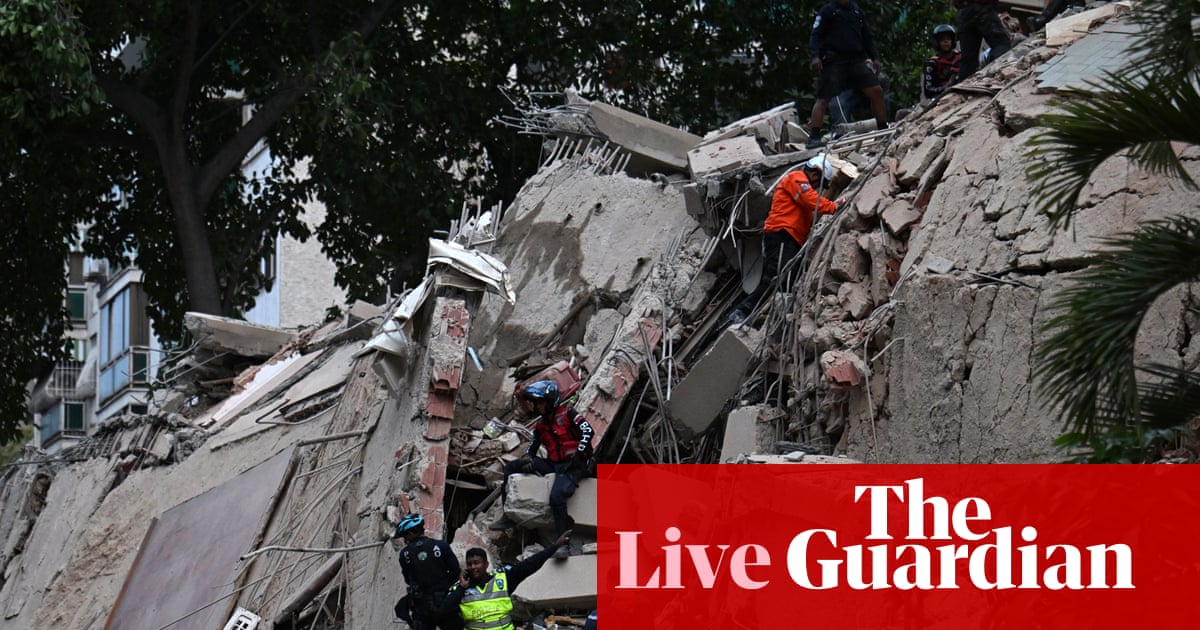
Two powerful-ass earthquakes just hit Venezuela back-to-back, and let's keep it one hundred—people are absolutely terrified right now. There is a massive wave of worry spreading across the whole country because everybody knows the infrastructure is already on life support, and this kind of shaking could cause some straight-up devastating damage. When you are already struggling to keep the lights on and put food on the table, a natural disaster like this is the absolute last thing the streets need. It is a critical situation, and the folks on the ground are bracing for a serious crisis.
Let's be real about how this goes down: when a natural disaster hits, it is never a level playing field. The politicians and the rich elites are tucked away in their sturdy, high-dollar condos that actually have steel and proper foundations, while the working-class families are packed into the hillside barrios like Petare. These houses are stacked up like a high-stakes game of Jenga, built with cheap materials and zero safety regulations because the system does not care about the hood. When those tectonic plates slide, those hillsides start sliding too, and it is the poor communities that pay the ultimate price.
Looking back at history, the people on the block have seen this movie before and they already know how it ends. Every time there is a major tremor, like the big one back in 1967, the government makes all kinds of grand promises about rebuilding better and fixing up the streets. But once the cameras leave and the dust settles, those promises turn out to be completely hollow. The money magically disappears into some politician’s pocket, and the regular people are left to clean up the mess and rebuild their lives with whatever scraps they can find.
Let's talk about the system being completely broken. You cannot expect a building to stand strong when the cement is watered down by corruption and the building codes are basically a joke. The state has completely neglected the neighborhoods for years, leaving the streets to fend for themselves. So when a massive double-earthquake strikes, it is not just a geological problem—it is a failure of the system that was supposed to protect the people but chose to look the other way instead.
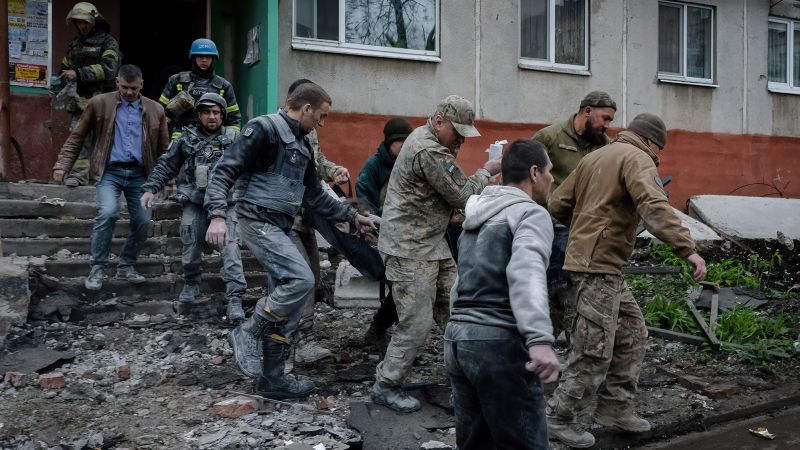
When a real emergency pops off, nobody on the block is waiting around for the government or the police to come save them. The real first responders are the neighbors, the family, and the local crews who are out there in the dirt, digging through the rubble with their bare hands to pull people out. That is just the reality of the hood—you look out for your own because you know damn well nobody else is coming. The official response is always too slow, too disorganized, and too political to do any real good when lives are on the line.
On top of all that, the economic hustle in Venezuela is already brutal, and this disaster is going to make it ten times harder. When you are dealing with crazy inflation and shortages, trying to get basic medical supplies or building materials to patch up your home is like pulling teeth. The cost of everything is going to skyrocket, and the black market is going to exploit the tragedy, making it almost impossible for average families to recover from the damage without going completely broke.
The international community loves to talk a big game and send their highly paid NGO workers to do photo-ops, but the streets know that aid rarely makes it to the people who actually need it. Most of that international relief gets intercepted by corrupt gatekeepers or tied up in red tape while the folks in the barrios are still sleeping in the rain. True solidarity means putting resources directly into the hands of the community-led mutual aid groups who are actually doing the real work on the ground.
At the end of the day, the ground might shake and the system might fail, but the resilience of the streets is something they can never crush. The people of Venezuela have been surviving under pressure for a long-ass time, and they will find a way to hustle, rebuild, and protect each other even when the odds are completely stacked against them. But let's not pretend this devastation is just an act of God—it is the direct result of a system that leaves the most vulnerable people exposed to the elements every single time.
Sources: - Fundación Venezolana de Investigaciones Sismológicas (FUNVISIS) - United Nations Office for the Coordination of Humanitarian Affairs (OCHA) - United States Geological Survey (USGS) - Center for Economic and Policy Research (CEPR)