No Cap, Paris is Using the Seine River as a Giant AC Unit for the Whole City
Instead of letting everyone buy expensive ACs that make the block hot, Paris is running 75 miles of underground pipes to keep it cool from the Louvre to local schools.
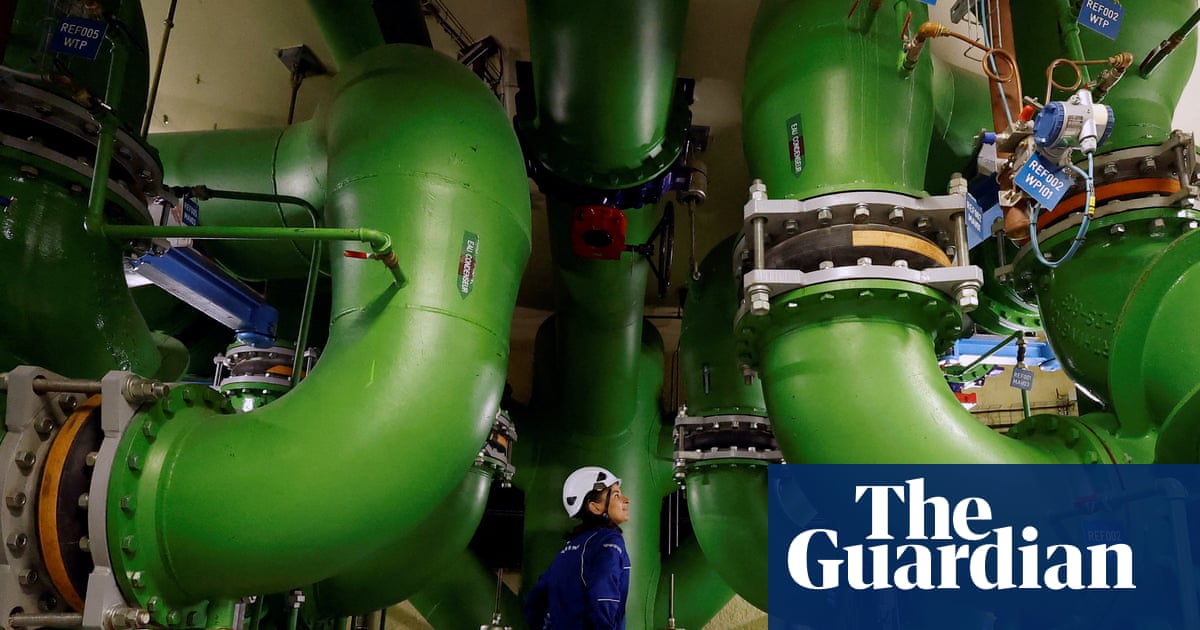
Look, summer heatwaves in Paris have been getting straight up disrespectful lately. Most cities just tell people to go out and buy cheap, noisy AC units that spike the power bill. But Paris has been low-key working on a different kind of cheat code since the 90s. They built a massive underground cooling network that uses cold water straight from the Seine River to cool down the city. Raphaëlle Nayral, the secretary general of Fraîcheur de Paris, was recently spotted deep underground checking out one of their cooling power stations to make sure the system is running right.
This underground setup is massive, running through 120 kilometers (75 miles) of pipes right under the streets. Instead of thousands of individual AC units cluttering up windows and killing the vibe, the city produces cooling in one central spot and shares it like water or electricity. Right now, this river-chilled water is pumped directly into major spots like the Louvre Museum, the Grand Palais, big office districts, luxury hotels, and local schools and hospitals.
Let’s talk about how this science actually works, no cap. They pump cold water from the Seine River through one pipe, which runs right next to another pipe carrying hot water out of the city's buildings. A thin metal wall keeps them separate, so the dirty river water and the building water never actually touch. The heat from the hot building water naturally transfers into the cold river water. It’s like putting a hot cup of tea inside a bowl of cold water—the tea cools down without ever mixing. That chilled water then goes back to cool the buildings, and the slightly warmed river water goes back into the Seine.
This whole operation is owned by the City of Paris itself, but they got a 20-year deal with RATP (the transportation company) and Engie to run it. Back in 2022, a company called Fraîcheur de Paris took over the contract and started a massive project to expand the whole network. They want to triple the size of this system by 2042, running pipes through every single neighborhood (arrondissement) and connecting over 3,000 buildings.
While they used to focus mostly on big corporate office buildings and fancy luxury hotels, the new expansion plan is about bringing that cooling to the people who actually need it. They are prioritizing critical public spots like local hospitals, schools, day-care centers, and retirement homes where vulnerable kids and elderly folks are trying to beat the heat.
Tim Guigon, who speaks for Fraîcheur de Paris, kept it 100 about the expansion plans. He said that aiming for 3,000 buildings is a realistic path because not every building in the city has the same cooling needs or is built to connect to this kind of network. The main goal is to turn this from a limited network for big commercial properties into a real, city-wide utility that serves everyone.