McCarthy Pulls Up on Wall Street: Cut the Spending or We Locking Down the Debt Limit
The Speaker went straight to the money men to make it clear the GOP ain't signing off on more borrowing without some major budget cuts.
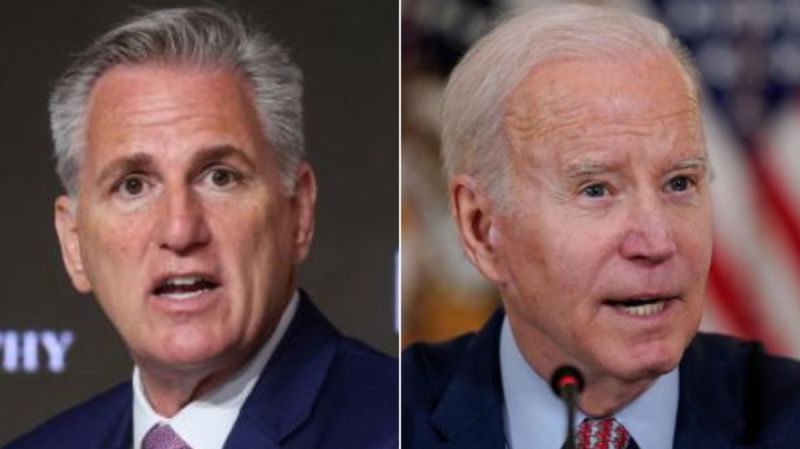
House Speaker Kevin McCarthy took a trip up to Wall Street on Monday to lay down the law. He delivered a direct warning that the Republican-led House isn't going to let the government slide on its credit limit anymore. McCarthy made it clear: if President Biden wants to raise the borrowing cap, he’s going to have to agree to some serious spending cuts that will basically shut down his domestic agenda. No cap, the spending spree has to stop.
Now, let’s break this down in real terms. The debt limit is like the country’s credit card limit. Right now, the government is maxed out, and they want to raise the limit so they can keep spending. But McCarthy and the House GOP are saying they aren't co-signing that application unless the administration starts cutting back on the bills they're running up. And McCarthy went straight to the financial district—where all the big money resides—to deliver that message.
This ain't just a political game; it’s about who gets squeezed. When DC starts talking about cutting "domestic spending," regular folks in the neighborhood know exactly what that means. It means the programs that help people with rent, healthcare, and food are always the first ones on the chopping block. While the politicians are playing chicken with the budget, the people on the block are the ones who have to worry about whether their benefits are going to show up on time.
We’ve seen this movie before. Back in 2011, they did the same thing, and it ended up hurting the country's credit score. Standard & Poor’s downgraded the US rating, and the whole economy felt the pinch. When the government starts messing with the debt limit, interest rates on regular car loans and credit cards go up, making it even harder for the average person to get by.
The Treasury Department is currently running on "extraordinary measures," which is basically like moving money from the savings account to the checking account to pay the electric bill before the lights get cut. But those tricks only work for so long. Eventually, the cash runs dry, and if the politicians don't reach a deal, the government could default. That means the money stops flowing, and nobody knows who gets paid first.
McCarthy is targeting Biden's big legislative wins, wanting to roll back the funding for those massive domestic programs. The GOP says these programs are just inflating prices and making life harder for working people, while the Democrats say they are vital lifelines. Both sides are digging in, and neither one seems ready to back down.
Skeptics on the street know that both parties love to talk about helping the working class, but when it comes down to it, they always look out for their own agendas. McCarthy going to Wall Street to announce this shows who they are really talking to. They are reassuring the bankers and investors while the rest of us are left wondering how this is going to affect our pockets.
As the clock ticks down to the deadline, the pressure is on. The House wants to squeeze the President into giving up his signature policies, and the President is refusing to negotiate. It's a high-stakes standoff, and if they don't get their acts together, the fallout is going to land right on the heads of everyday people.
Sources: * U.S. Department of the Treasury (treasury.gov) * Congressional Research Service (crsreports.congress.gov) * Congressional Budget Office (cbo.gov) * Government Accountability Office (gao.gov)