Keeping the Lights On: Gov Finally Approves Massive Scottish Power Projects After 40 Years of Sleeping
With global energy prices going crazy, Ofgem is finally backing big water batteries to keep local families from getting crushed by utility bills.
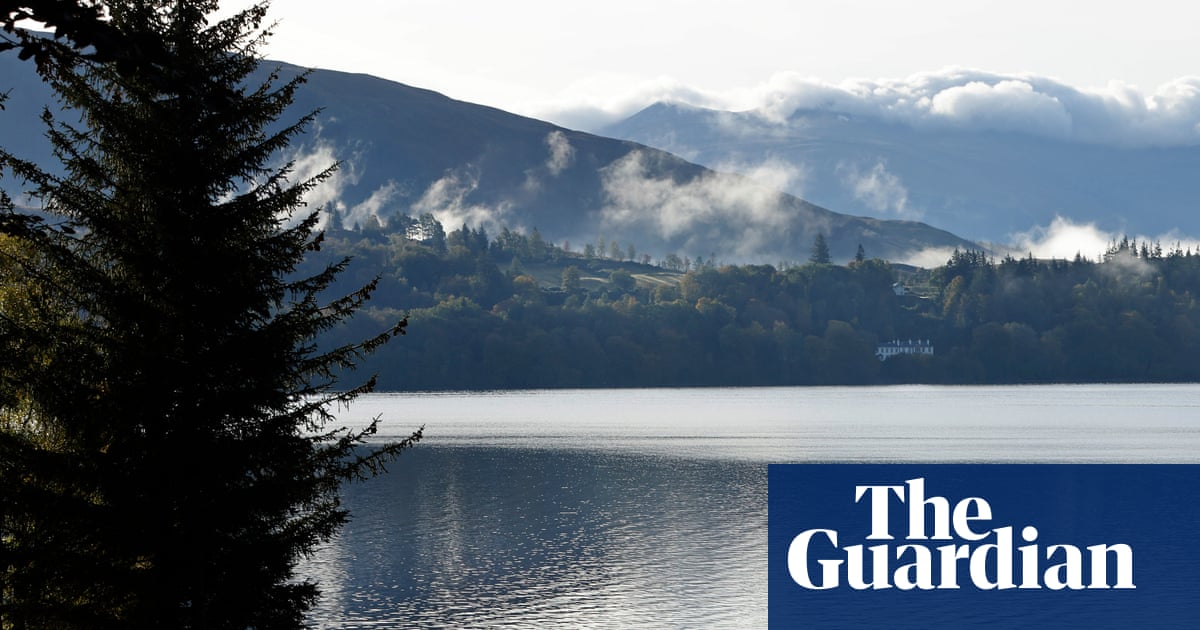
Let’s keep it a hundred: the system has been sleeping on our energy security for way too long. It’s been forty years since they built a major pumped storage hydro plant in this country. But with things getting crazy overseas, the energy regulator Ofgem is finally waking up. They just gave the provisional green light to 16 big energy storage projects, including three massive hydropower stations up in Scotland, to make sure the grid doesn't go dark when we need it most.
These three Scottish hydro projects are no joke. You’ve got Statera Energy’s Loch Kemp project tapping into Loch Ness, SSE’s Coire Glas over at Loch Lochy, and Gilkes Energy’s Earba, which is going to be the biggest pumped storage setup in the whole UK. These are the first projects of their kind since 1984, when they built the Dinorwig "electric mountain" in Wales. For forty years, the people in charge just sat on their hands while our energy setup got older and weaker.
We all know who pays the price when the energy grid isn't locked down. Every time there’s a conflict miles away—like the situation in Iran—the global energy market goes into a frenzy, and suddenly the bills on our kitchen tables shoot through the roof. Energy Minister Michael Shanks put it plain: we can't be out here at the mercy of wild foreign markets, leaving regular families exposed to the next massive price shock. It’s real talk, because when those prices spike, it’s normal folks on the block who have to choose between heating and eating.
To stop these wild price swings, Ofgem is trying to build up backup systems that can hold power for eight hours or more. Along with the three massive Scottish hydro projects, they’re looking at 13 other setups using compressed air, lithium-ion, and vanadium redox flow batteries scattered across England, Scotland, and Wales. This is all about making sure we have backup power ready to go when the green energy grid gets quiet.
Because let’s be real about wind and solar—they sound great, but if the wind stops blowing or the clouds roll in, the power drops. If you don't have massive storage ready to drop power back into the grid, you’re left in the cold. Ofgem’s infrastructure director, Akshay Kaul, admitted as much, saying we need this long-duration storage to keep things secure when the weather gets too cold, too hot, or just completely still.
At the end of the day, these companies are finally getting to work on projects that should have been built decades ago. It’s a provisional green light, so you know there’s still plenty of bureaucratic red tape to clear before the shovels hit the dirt. But if they actually get these built, it’s a win for regular people who just want reliable power without getting robbed by the next global market crisis. No cap, it’s about time they started building again.