Keepin’ It 100 on the Great Wall: The Ultimate Flex of Border Security and Hard Labor
CNN out here dropping two-minute travel clips for rich tourists while glossing over the real street-level grind it took to build history's biggest security system.
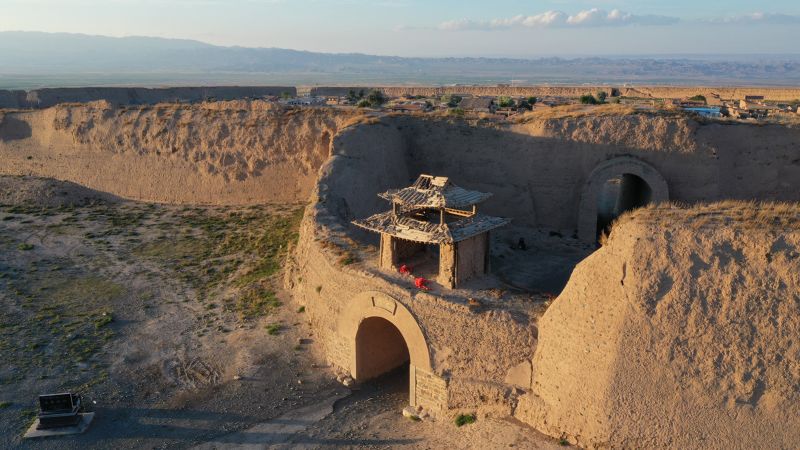
CNN dropped a quick little two-minute and fourteen-second video back in April 2023, and then updated it in September, trying to show off the five most "beautiful" spots on the Great Wall of China. It’s real clean footage, no cap—all scenic mountain views, ancient stone towers, and lush green hills. But let's keep it 100: the corporate media loves to package these massive historical landmarks into neat little travel guides for people with deep pockets, completely glossing over the real grit, sweat, and grind it took to put this whole thing together.
First off, this wall wasn't built by dynastic kings sitting in comfortable palaces. This was built by regular, everyday folks, conscripted workers, and soldiers who were holding down the block under the craziest conditions imaginable. History shows that building this 13,000-mile defensive barrier was backbreaking, dangerous work, and hundreds of thousands of people lost their lives laying these bricks. So when you see these polished tourist videos, you gotta respect the hustle of the ancestors who actually did the heavy lifting, not just the imperial names in the history books.
And let's talk about the real reason they built it: security. The Ming Dynasty wasn't playing games when it came to protecting their territory. They built this massive stone wall to lock down their block and keep outside invaders from rolling in and taking what they worked for. It was the ultimate home security system, complete with watchtowers and signal fires to alert the crew if anyone was trying to sneak across the border. It’s proof that protecting your community and knowing who is coming in and out has been a priority since day one.
But instead of talking about the real labor and the tactical defense, modern media tries to turn it into a backdrop for aesthetic travel vlogs. They even got random links in their feed about historic Turkish bathhouses, just bouncing you from one luxury travel spot to another like it’s all a game. They want you focused on the pretty pictures instead of the actual history of survival and struggle that defines these places.
Meanwhile, the local villagers who actually live in the shadow of the Wall today are barely getting a piece of that massive tourism pie. While international elites fly in to take pictures for their feeds, the rural communities are dealing with the real-world consequences of mass commercialization and environmental erosion. It's the same old story: corporate entities making bank off the culture and the heritage, while the people on the ground get left behind.


