Gas Prices Finally Sliding Back Down as Gulf Ships Get Back to Business
After months of getting squeezed at the pump since the Iran war jumped off in February, the block might finally get some relief.

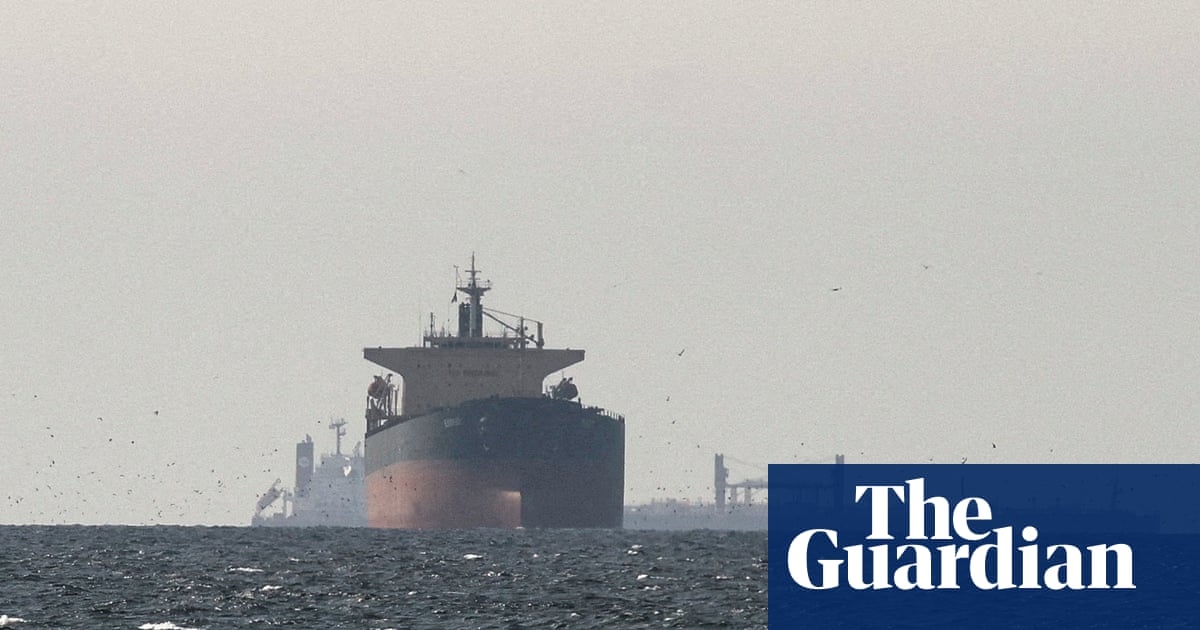
Man, it is about time we got some good news on the block. Oil prices are finally dropping back down toward where they were before the whole war in Iran kicked off back in February. For months, everybody has been stressed out trying to fill up their tanks just to get to work or run errands, watching the numbers on the pump climb higher and higher. Now that those big cargo ships are finally moving back through the Gulf, the prices are starting to slide back down to earth.
Let us be real, whenever these big-money elites start fighting across the world, it is always the regular people in the neighborhood who end up paying the price. When the war started in February and they locked down those shipping lanes in the Persian Gulf, the corporations did not lose a dime. They just passed the cost right down to us, making us choose between a full tank of gas and a full cart of groceries. It is the same old story: they make the mess, we pay the bill.
But now, suddenly, the shipping companies decided it is safe enough to get their boats back on the water, and the price of oil is falling right back down. It just goes to show you how much of this stuff is run by suits who panic the second anything happens, driving up prices on some speculative hype. The moment the ships start moving again and the supply chain gets back on track, they have no choice but to bring those prices down.
This whole situation shows you how wild the system is. They had the whole Gulf looking like a crime scene, with insurance companies tripping and shipping lines shutting down. But money rules everything, and nobody was about to let all that oil just sit there forever. They got those lanes open, got the tankers moving, and now the market is realizing that the world did not end after all.
For the working class, this drop in oil prices is a massive blessing, even if it is overdue. When gas is high, everything else goes up—groceries, delivery fees, bus fares, you name it. A lot of folks on the block have been struggling just to keep their heads above water since February, so seeing these prices trend back down to prewar levels is a sigh of relief. It is not a fix for everything, but it is a break we desperately needed.
Still, you gotta keep your eyes open and stay skeptical. These companies will raise the price of gas in a single heartbeat if a firecracker goes off near a shipping lane, but when things settle down, they take their sweet, slow time bringing those prices back down to where they belong. We have been dealing with this economic squeeze for months, and even with prices falling, the damage to people's savings has already been done.
At the end of the day, this whole situation is a reminder that we cannot rely on these massive global systems to look out for us. They care about their shipping routes and their profit margins, not the single mom trying to budget for her daily commute. The ships might be moving again today, but tomorrow it will be some other crisis they use to squeeze the block.
We also see how the local small businesses got hit hard during this energy spike. Delivery drivers, local markets, and independent contractors had to swallow the high cost of fuel just to keep their doors open. While the big corporations reported record earnings, the local economy got drained. Seeing the prices drop back to pre-February levels is a win for the neighborhood shops trying to survive.
So while we celebrate the prices going back down to prewar levels, we gotta stay smart and keep hustling. It is good to see some relief at the pump, but the real lesson is that the system is always going to protect its own pockets first. We just gotta keep pushing forward, keep supporting the community, and keep our eyes on the prize.
In the long run, we need to find ways to make our communities more self-reliant so we do not get shook every time some overseas conflict starts. Whether that means pushing for better public transit, supporting local economic hubs, or just looking out for our neighbors, we have to build our own safety net. No cap, the system is not coming to save us, so we have to stay prepared for whatever comes next.