Feds Ran Through Minneapolis, Left the Streets Shook and Now Everybody's Laying Low
Operation Metro Surge might be officially over, but ICE still got people paranoid, jobs lost, and kids dropping out of school.
The feds might've packed up their gear and rolled out of Minneapolis, but don't let that fool you—the streets are still shook. Operation Metro Surge is officially over, but the trauma, the paranoia, and the economic hit the community took is still very real. People are out here trying to live their lives, but everybody's still looking over their shoulder waiting for the next raid.
Take a look at Aliah. She's only 20, fled the madness in Afghanistan back in 2021, and thought she was finally safe when she got her asylum and green card. Instead, she got a front-row seat to masked federal agents running up on her neighborhood like it was a war zone. She's still terrified, praying the feds don't pull up deep again because she's got nowhere else to go.
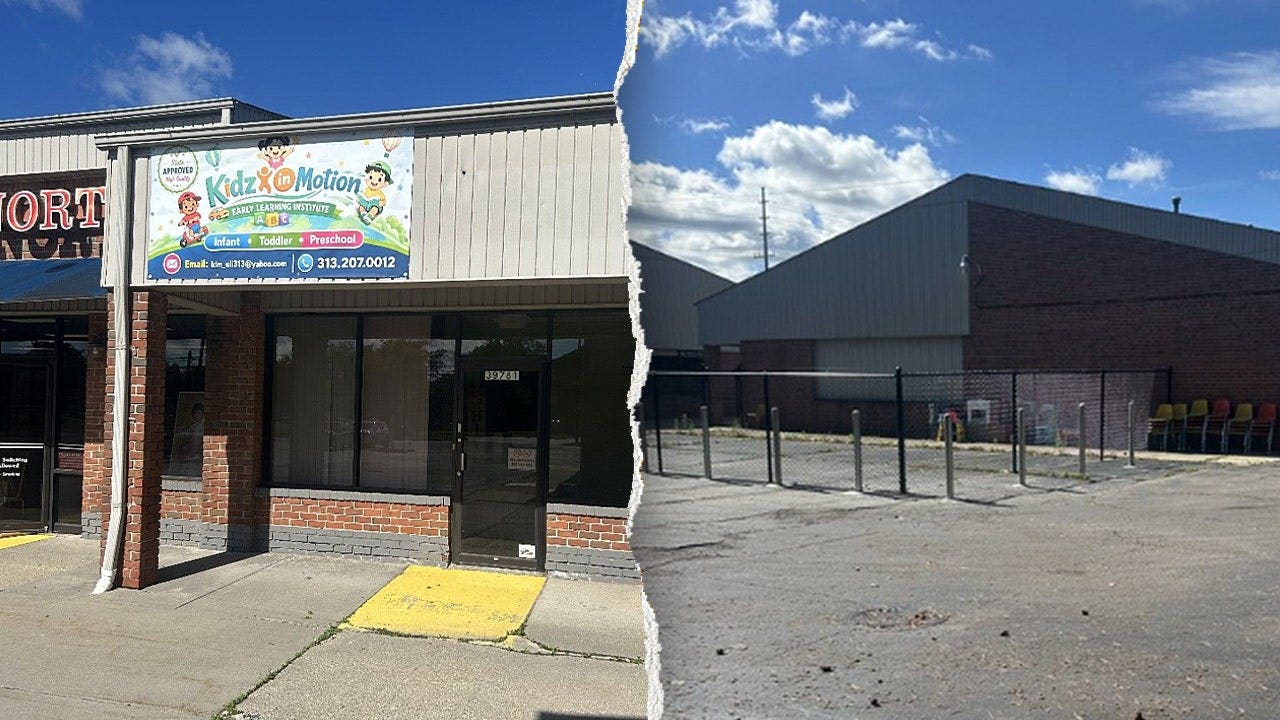
This whole mess started last December when the Trump administration launched this massive crackdown. They claimed they were going after undocumented folks with records, linking the whole operation to a huge federal fraud investigation in the state's childcare industry—which they claimed mostly involved people from the Somali community. But the way they came through, they treated the whole block like criminals.
At the height of the sweep, you couldn't even walk down the street without seeing masked ICE and CBP agents patrolling, raiding homes, and pulling up on schools. They locked up thousands of people, and the neighborhood went into complete lockdown mode.
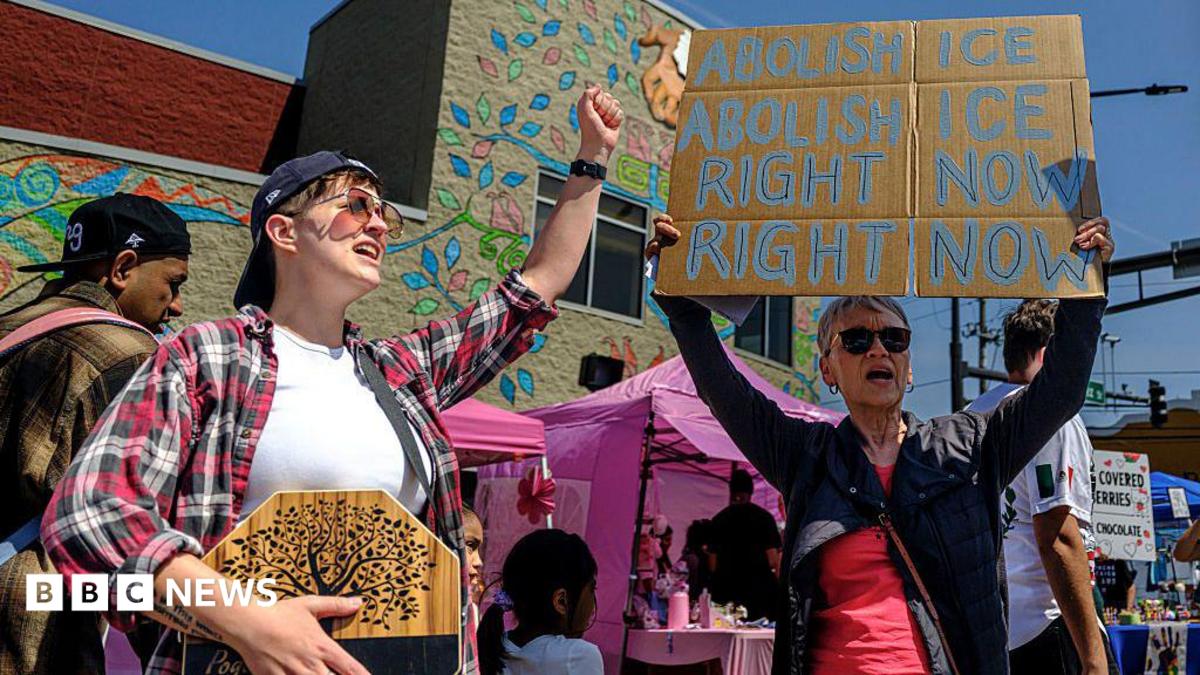
The tension finally boiled over in January. People took to the streets to protest, and the feds responded with pure violence. They shot and killed two U.S. citizens—Renee Good and Alex Pretti, both 37—in separate incidents. After videos leaked of agents pinning protesters to the pavement and spraying chemical irritants straight into their faces, the public outcry went through the roof.
By late February, the pressure got so heavy that even some Republican politicians started calling out the administration. The feds finally backed down and pulled hundreds of agents out of Minneapolis. But even though the massive raids stopped, ICE didn't completely disappear—they still got agents hovering around, keeping everybody on edge.
The fallout from this raid didn't just hurt people's mental state; it hit their pockets heavy. A local schoolteacher named Katie had to step up and start delivering groceries and raising money for students whose families were too scared to leave the house. The school's aid program officially stopped in April, but the struggle is far from over.
Because of the raids, a lot of parents lost their jobs, which put the youth in a tough spot. Real talk—some of these kids had to drop out of school completely just to get a job and help their families survive. That's the part the news cameras don't show you when the feds leave town.
Then you got Fatima, a 19-year-old Somali refugee who finally went back to high school in April after spending months doing online classes just to stay out of sight. She's happy to be back around her peers, but she's still dealing with that constant paranoia, wondering if the next knock on the door is going to be the feds coming to snatch her up.
The people who work with these families see the damage every single day. Michelle Eberhard, who runs refugee services at the International Institute of Minnesota, didn't hold back—she called the whole operation an invasion, saying the trauma from this is going to stick with these families for a long time. The feds are gone, but the ghosts of what they did are still haunting the Twin Cities.
Sources: - International Institute of Minnesota, Community Trauma and Refugee Advocacy Report - U.S. Department of Justice, Public Filings on Minnesota Childcare Fraud Prosecutions - U.S. Department of Homeland Security, Civil Rights and Civil Liberties Complaint Database