Feds Catch a Temporary Pass to Keep Using Controversial Palantir Snitch-Tech
Sadiq Khan tried to put the brakes on a massive £50m deal, but the Met feds just secured a 12-month extension to keep their AI eye in the sky running.
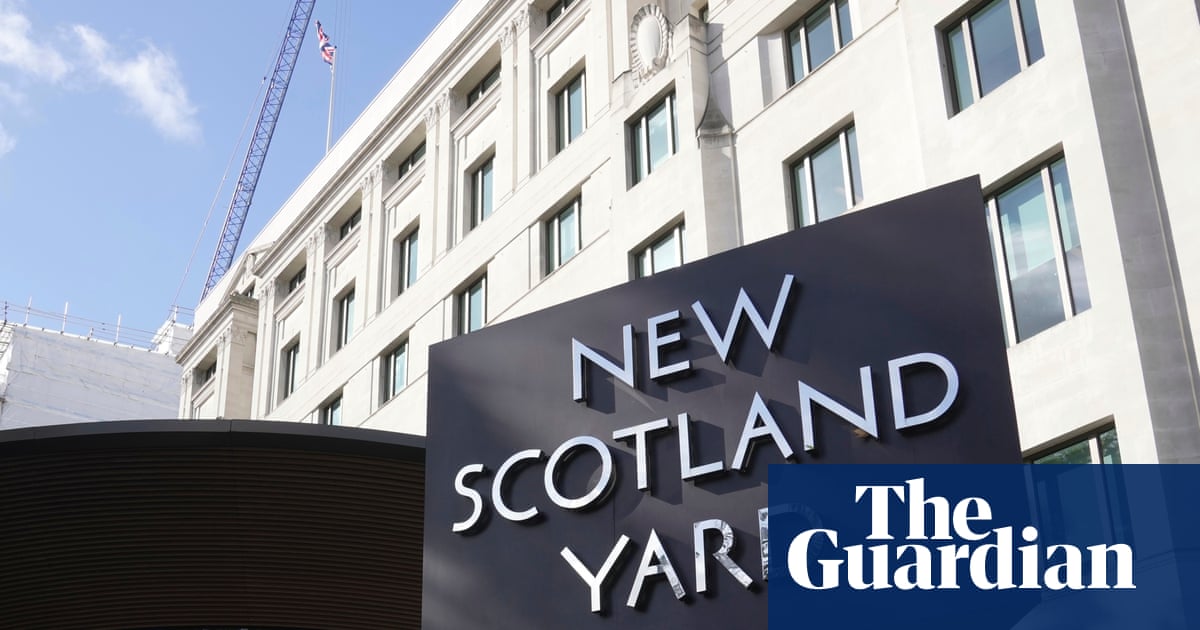
The Met feds are doing whatever it takes to keep their high-tech surveillance tools running. Scotland Yard just secured a 12-month extension to keep using software from Palantir—a major US spy-tech company—to scan their own systems. This whole play comes right after London Mayor Sadiq Khan tried to shut down a massive £50 million deal between the police and the tech company, calling out the feds for breaking the rules to hand over the bag.
Last month, City Hall put a hard stop on the £50 million contract, pointing out a "clear and serious breach" of procurement rules. Basically, the Met tried to bypass the standard process and hand the contract directly to Palantir without looking at anyone else. But you know these tech corporations don't play about their money—as soon as the deal got blocked, Palantir's lawyers threatened to drag the Mayor's Office for Policing and Crime (MOPAC) straight to court.
To keep the peace and make sure the feds don't lose their tech overnight, the Deputy Mayor worked out a compromise. The Met gets to keep using the Palantir pilot for another year, but they have to run a brand-new bidding process that's actually open to other companies. It's basically a hall pass for the police to keep their high-tech toys while pretending to play by the rules.
The tool they are fighting over is called the Customer Service Engine. Don't let the corporate name fool you; this AI is basically a high-tech snitch designed to watch the cops themselves. It pulls together all the data the Met lawfully has and scans rosters and databases to find corrupt officers, roster abusers, and bad behavior inside the precinct.
Assistant Commissioner Rachel Williams was talking big about how this extension will help them "root out misconduct" and build back trust with the community under their "A New Met for London" plan. But let's be real: if the police need a multi-million-pound US spy algorithm just to figure out which of their own officers are dirty, the whole system is already in serious trouble.
According to the Met, the initial pilot earlier this year already flagged a "significant number" of internal issues that their professional standards team is now investigating. They are also claiming this technology is going to save them money, close budget gaps, and get officers off their desks and back onto the streets. But people in the community know that more tech surveillance rarely means better policing on the ground.
Even Met Commissioner Mark Rowley admitted they are completely lost without this technology, stating they simply don't have the tools to track internal corruption without outside help. It shows just how dependent the feds are on private tech giants to run their daily operations.