Ebola Just Touched Down in France: Doctor Back from Congo Brings Home a Killer Strain with No Cure
The health ministry is telling everyone to stay calm, but they've already got contacts locked down in a 21-day quarantine.
It’s getting real out here. France just confirmed its very first case of Ebola, and it didn't come from some random occurrence—it was a doctor who just got back from doing humanitarian work in the Democratic Republic of the Congo (DRC). The French health ministry claims they isolated the patient immediately upon arrival and sent them to a specialist hospital in stable condition. They’re trying to keep the panic low, saying the risk to the public in Europe is "very low," but you already know how these official statements go.
Even though they're telling people not to stress, the government is already out here doing serious damage control. They are tracing every single person this doctor came into contact with, and those folks are being ordered to stay locked up in their houses for a 21-day quarantine. That’s three whole weeks of isolation just in case they caught the bug.
This isn't just the regular virus we're talking about either. This is the Bundibugyo strain, a rare and nasty version of Ebola that has absolutely no vaccine and no approved treatment. You catch it from infected fruit bats, and then it spreads person-to-person through direct contact with blood or bodily fluids. It starts off looking like a bad flu—fever, exhaustion, muscle aches, and head pain—but it is highly lethal.
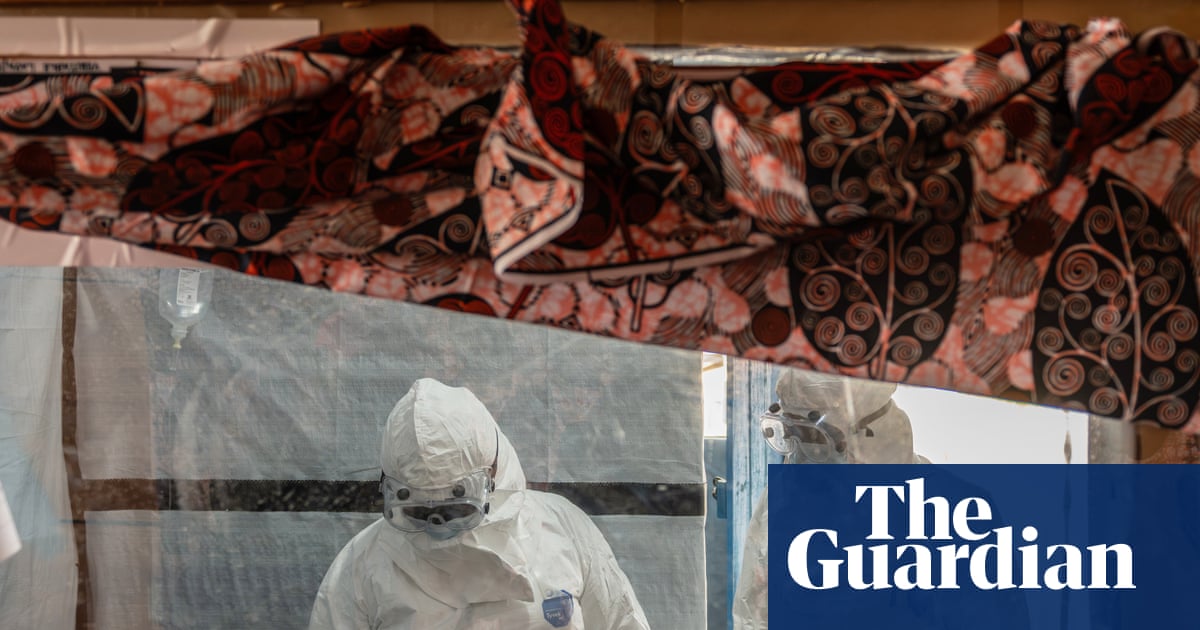
Over in the DRC, the streets are facing a massive crisis. The outbreak is centered in Ituri province, and as of June 21, the DRC health ministry reported 1,048 confirmed cases and 267 deaths. Only 112 people have recovered so far. It’s also spilling over the border, with Uganda already recording 20 cases and two deaths. The World Health Organization (WHO) sounded the alarm back in May, declaring a global emergency, but scientists say the virus was low-key spreading for weeks before anyone noticed, meaning the real numbers are likely way higher.
According to WHO official Abdirahman Mahamud, this outbreak is moving faster than anything they’ve ever seen, racking up the most confirmed cases in its first month of any outbreak on record. The US Centers for Disease Control and Prevention (CDC) ran the math, and their models show this could end up being the biggest Ebola outbreak in history—even bigger than the 2014-2016 West Africa disaster that infected 28,000 people and claimed over 11,000 lives.
To make matters worse, the people trying to fight this on the ground are dealing with a complete mess. International aid cuts have dried up resources, and there’s an active war zone right next door. In the North and South Kivu provinces, the Rwanda-backed M23 rebel group is making moves, and Ebola has already been detected in those areas.