Ebola Just Hit France: A Doctor Brought It Back From the Congo and the Blocks Are Hot
They’re telling us there’s zero reason to panic, but with no vaccine and rebel groups running the territory, this situation is getting real.
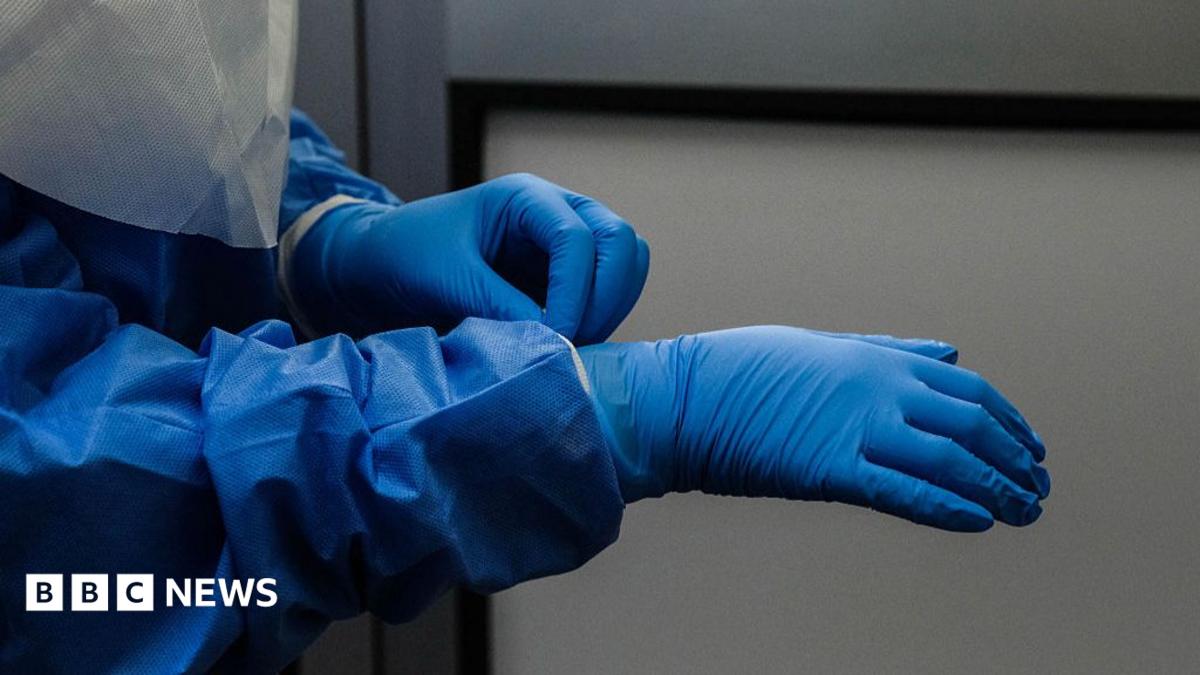
Look, they trying to play it cool in the media, but let's keep it a hundred: Ebola just officially landed in Europe, and France is the first stop. A French doctor who was out on a humanitarian mission in the Democratic Republic of Congo (DR Congo) just came back carrying the virus. The French health ministry claims they immediately locked the doctor down in a specialized isolation facility, and that they are currently in stable condition. But you already know how this goes—the minute a deadly virus crosses borders, the streets start asking questions.
Down in the Congo, the situation is completely wild. The government finally admitted there was an outbreak last month, but the experts are saying this thing was quietly circulating in the community for weeks before anyone in charge said a word. Right now, more than 260 people are confirmed dead, and over 1,000 people have caught the virus. When you have numbers jumping that fast without any warning, you know the system is already failing the people on the ground.
And it’s not like they can just roll in and fix it, either. The outbreak is concentrated in the eastern provinces of Ituri, South Kivu, and North Kivu. Ituri is taking the heaviest beating, holding down over 90% of all the confirmed cases. But the real problem is that eastern DR Congo is an active warzone. The M23 rebel group is currently controlling massive parts of North and South Kivu, and the World Health Organization (WHO) admitted that the fighting is making it almost impossible to handle the outbreak. You can't run a clinic or trace contacts when armed rebels are holding down the turf.
This virus is moving fast, too. Neighboring Uganda has already confirmed 20 cases and two deaths on their side of the border. And France isn't even the first Western connection—an American doctor who tested positive in DR Congo had to be flown out and treated at a German hospital last month. Now that the virus has made its way onto French soil via a returning doctor, people are starting to realize that what happens on the other side of the world doesn't stay there.
Here’s the part they don't want you stressing over: this isn't the standard Ebola we have treatments for. The current outbreak is being caused by the Bundibugyo species of the virus, and as of right now, there is absolutely zero vaccine for it. That means if you catch it, doctors can only treat your symptoms and hope your body can fight it off. There's no quick shot to protect people, which makes this entire situation ten times more dangerous than the official statements are letting on.
The people taking the absolute worst of this are the healthcare workers. Since Ebola spreads through direct contact with bodily fluids, the doctors and nurses on the front lines are constantly in harm's way. The WHO dropped some heavy stats last week, revealing that out of 75 health workers who caught the virus in DR Congo, 17 of them did not make it. When the people trying to save you are dying at those rates, you know the block is officially hot.
Now France is scrambling, trying to trace anyone who might have been in contact with the doctor before they got locked down in the hospital. The health ministry also announced they’re setting up a "dedicated monitoring system" for aid workers coming back from DR Congo. They’re telling everyone the risk to the public is "very low" and WHO chief Tedros Adhanom Ghebreyesus is out here saying there’s "no need to panic." But when the Africa CDC and US public health authorities are warning that this has the potential to be one of the biggest outbreaks in history, you'd better keep your eyes open.
At the end of the day, the suits in charge are always going to tell you everything is fine until it isn't. But with a vaccine-free strain of Ebola spreading through a warzone and now hitching a ride into Europe, we have to look past the official spin. Stay safe, stay clean, and keep your head on a swivel.
Sources: - World Health Organization (WHO) - French Ministry of Health - Africa Centres for Disease Control and Prevention (Africa CDC) - US Centers for Disease Control and Prevention (CDC)