Daytime Hustle: Photographer Drives 6,000 Miles to Capture the Sad, Empty Reality of America’s Strip Clubs
French photographer François Prost exposes the raw, daylight facades of the block's most notorious venues with no neon, no girls, and no cap.
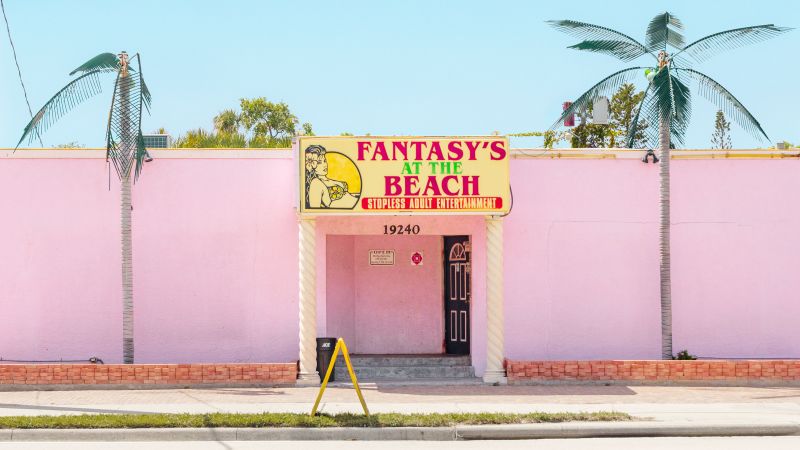
Real talk: a French photographer named François Prost just spent five weeks driving over 6,000 miles across America, and he wasn't looking for standard tourist spots. He was chasing down the strip clubs that line our highways and sit on our blocks. His new book, "Gentlemen’s Club," features nearly 150 of these venues from Miami to Los Angeles, with names like Pleasures, Temptations, and Cookies N’ Cream. But here is the catch—there are zero women, zero dancing, and zero night-life energy in these pictures. Prost photographed these spots in the dead of day, showing the world how these local institutions actually look when the sun is out and the hustle is paused.
Prost rolled through cities like Fort Myers, Florida, where he photographed Fantasy at the Beach, and North Hollywood, California, to capture the VIP Cabaret. He spent a lot of time out in El Paso, Texas, getting shots of places like The Xcape Mens Club, Montana Hideaway, and Foxy, which has "Where the Party Never Ends" painted right on the wall. By stripping away the nighttime hype, the flashing lights, and the loud music, Prost’s camera shows these legendary venues for what they really are: plain, windowless, and often run-down concrete boxes sitting in empty parking lots.
According to Prost, these spots split into two distinct vibes on the street. First, you got the corporate, high-profile clubs that are fully integrated into everyday neighborhoods, sitting right next to fast-food spots, family malls, and amusement parks. This is where corporate America packages sex like a value meal, putting it right in your face where you buy your groceries. Then you got the "hidden and dodgy" joints tucked away in regular strip malls, looking like a bootleg cell phone store or a shady tax-prep office. Out on the block, everyone knows those hidden spots are where the real, unfiltered street drama and back-room deals go down.
Prost made a special point to hit the Bible Belt, and he kept it 100 about the hypocrisy he found there. He wanted to document the contrast between these highly religious towns preaching "conservatism and extreme puritanism" and the fact that they are absolutely packed with these low-profile strip clubs. It’s the same old story: the folks talking loudest about morality in public are often the ones parking their cars in the back of a dodgy strip-mall club on a Tuesday afternoon. The architecture reflects that shame, forcing the clubs to hide in plain sight.
Let’s talk about the zoning game, because that’s how the system really works. Cities use strict urban planning laws to keep these clubs out of the rich, high-end neighborhoods, pushing them instead into working-class communities, industrial zones, or along the edges of the highway. This spatial segregation is designed to keep the "respectable" parts of town clean while dumping the vice and the structural fallout onto regular folks on the block. Prost’s photos of these isolated, sun-bleached facades like Dreams Club in LA or Emperors in Tampa show the direct physical results of these institutional redlining tactics.
Prost says his project is ultimately a study of "sex, gender and commerce" and how the system packages "the sexualization of the feminine image" for a profit. On the streets, we know it's always about the bag, but seeing these buildings completely empty reminds you how the industry treats women's bodies as raw commercial real estate. From the bright pink paint of Club Pink Pussycat to the sad, dry walls of an adult bookstore in Laughlin, Arizona, these facades are built to trap lonely pockets and extract cash, plain and simple.
This March, Prost is taking these images across the world for an art exhibition in Tokyo. It's wild to think that the dusty, daytime strip-mall facades of the American hood are being packaged as high-class art for international audiences. But maybe it’s good for the world to see the raw, unvarnished truth. These empty, sun-drenched buildings are the physical monuments of a culture that commodifies everything, leaving us with nothing but concrete shells and empty promises once the daytime hits.
Sources: * Brookings Institution, "Zoning Barriers, Urban Development, and Neighborhood Disparity" (2018) * John Jay College of Criminal Justice, "Urban Space, Neighborhood Policing, and the Commercial Sex Industry" (2016) * Federal Reserve Bank of St. Louis, "Economic Development and Commercial Land Use in Low-Income Communities" (2021)