Born on the Fourth? Media Wants the Real Talk on Sharing a Birthday with the US for the 250th Anniversary
As Uncle Sam gets ready to blow out 250 candles, a new project is asking folks born on July 4th if sharing their big day with America is a blessing or just plain complicated.
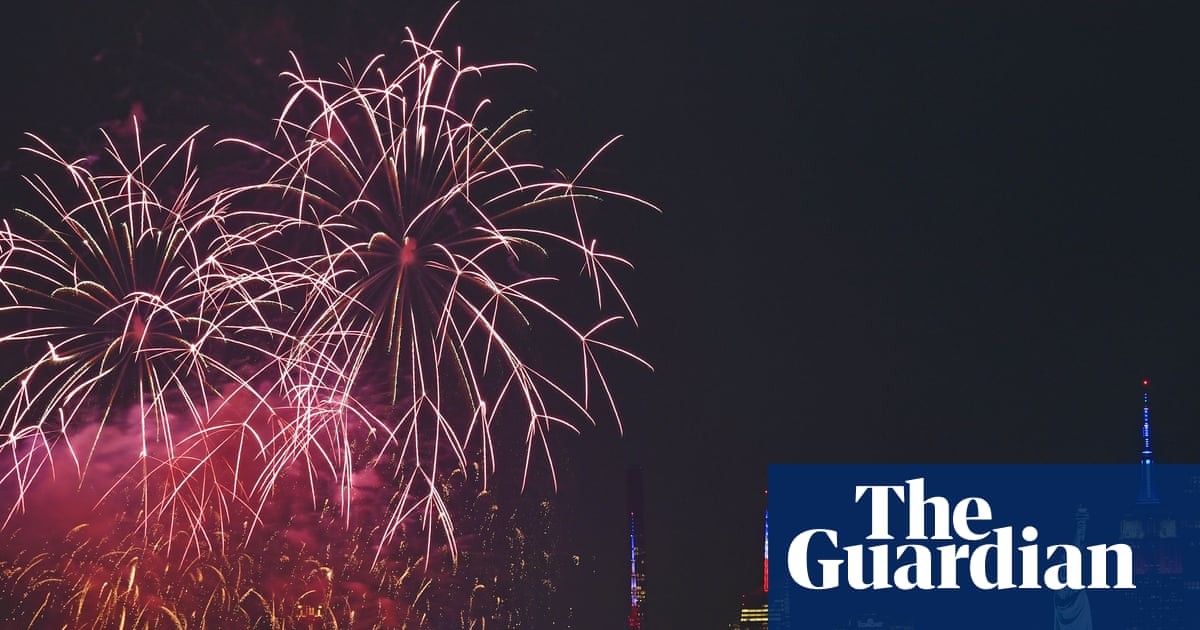
Yo, let’s keep it 100: sharing your birthday with the Fourth of July is a whole vibe, but it’s also a lot to carry. On one hand, you’ve got the entire neighborhood lighting up fireworks, throwing block parties, and grilling out like they’re celebrating just for you. On the other hand, being born on the day this country claims independence—when you know the history of how this system has treated Black and brown folks since 1776—can make things feel kind of complicated, no cap.
Now, with the United States getting ready to turn 250 years old on July 4, 2026, the Guardian community team dropped a callout on June 25, 2026, looking for the real stories from people who share this birthday. They want to hear from everyday folks, 18 and older, about what it’s really like to blow out your candles while the whole country is acting wild with red, white, and blue. They’re asking the real questions: Do you actually enjoy sharing your day with Independence Day, or does it make your identity and what it means to be American feel a little more complicated?
This ain’t just about standard patriotism; it’s about lived experience. In the hood, July 4th is legendary for the music, the food, and the community coming together, but it’s also a reminder of the grind and the struggle. Getting folks to open up about how this shapes their identity is a big move, especially when the nation is hitting a massive milestone like the Semiquincentennial (that's a fancy word for 250 years).
For the people who want to share their story but don’t want their business out in the streets, the media team is using a fully encrypted form. That means your data is locked down, and only the editors can see it. You can write your story, keep it completely anonymous if you want to stay low-key, and even upload a flick of yourself—just make sure the file size is under 5.7 MB so it actually goes through.
They’re also asking if you want to take it a step further and speak to their audio or video crews. You can go "audio only" if you’re camera shy, "video only," or go all in with both. They even got a checklist on the form where you can choose exactly how they publish your responses—whether they can print the whole thing, contact you first to double-check, or keep your name completely out of it while using the info.
This kind of storytelling is important because when major anniversaries roll around, the official government events usually just show the polished version of history. Back during the Bicentennial in '76, there were projects to capture the voices of regular people, but a lot of times, the realest voices from the streets got left out of the archive. This project is a chance for people from all backgrounds to put their stamp on history and tell it like it is.